
A Game Is More Than Its Download
When a game disappears from a storefront, the loss is bigger than an executable file. Manuals, patches, servers, controllers, play habits, and the communities around them are part of what a game was.
Science · AI & Tech · Health · Politics · Entertainment · Rankings · What-ifs · Lifestyle · How-to
Essays meant to be reread, and practical guides meant to be used.
📰 213 articles here 🕒 Latest October 16, 2026 📡 Subscribe by RSS
Latest
When a game disappears from a storefront, the loss is bigger than an executable file. Manuals, patches, servers, controllers, play habits, and the communities around them are part of what a game was.
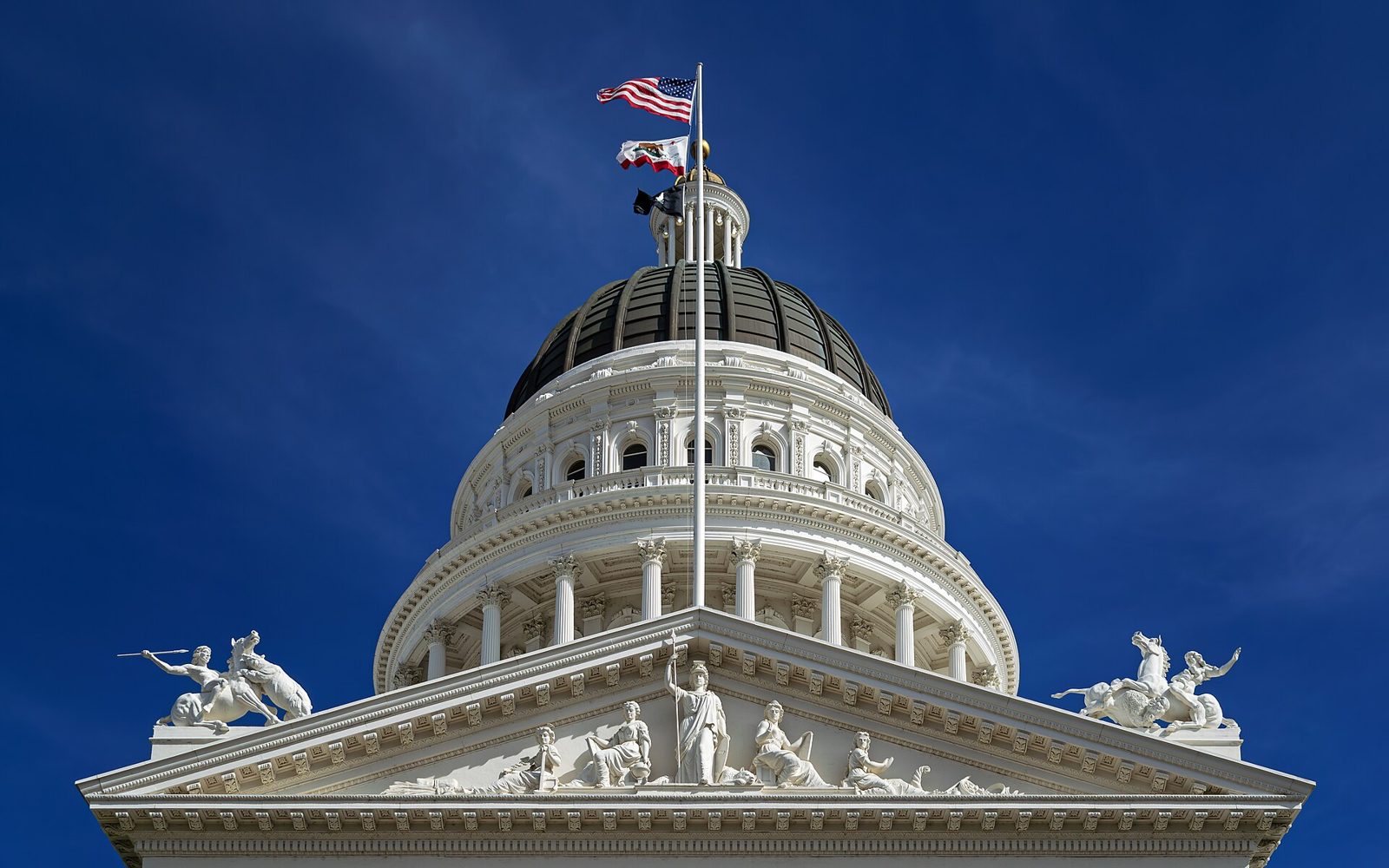
A policy announcement is a promise. A good policy also leaves a receipt: the problem it tried to solve, the evidence it used, who was heard, what changed, and how the public can judge the result.

You cannot protect data you have forgotten exists. A short personal inventory reveals which accounts hold your money, identity, files, and recovery paths—so you can secure the few that matter most.
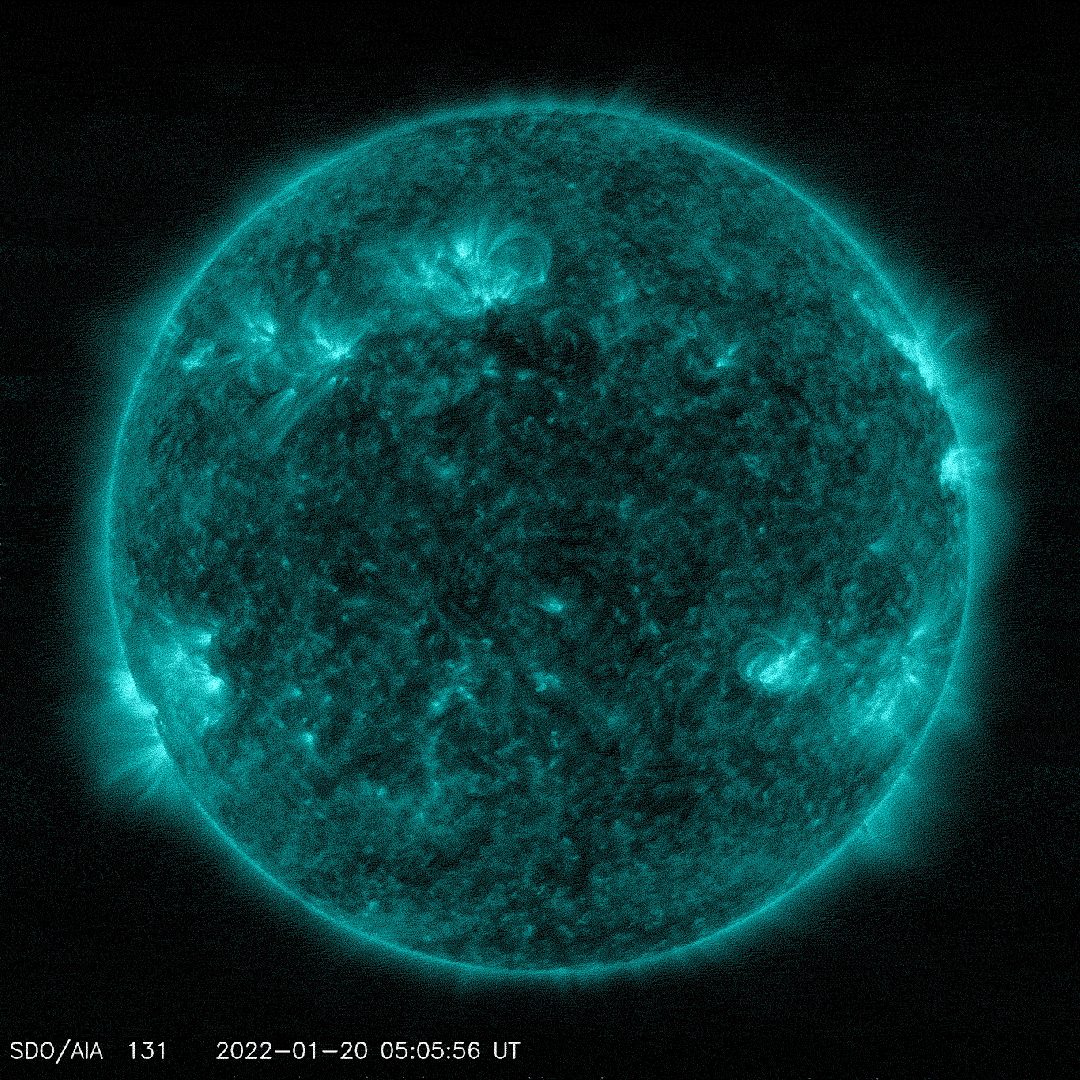
Before buying another sleep tracker, look out the window. Consistent morning light is one of the clearest signals available to the body clock—and it costs nothing.

The weeknight dinner problem is rarely a failure of recipes. It is a failure of decisions made at 6:30 p.m. A short list of flexible meals turns dinner from a daily negotiation into a small routine.
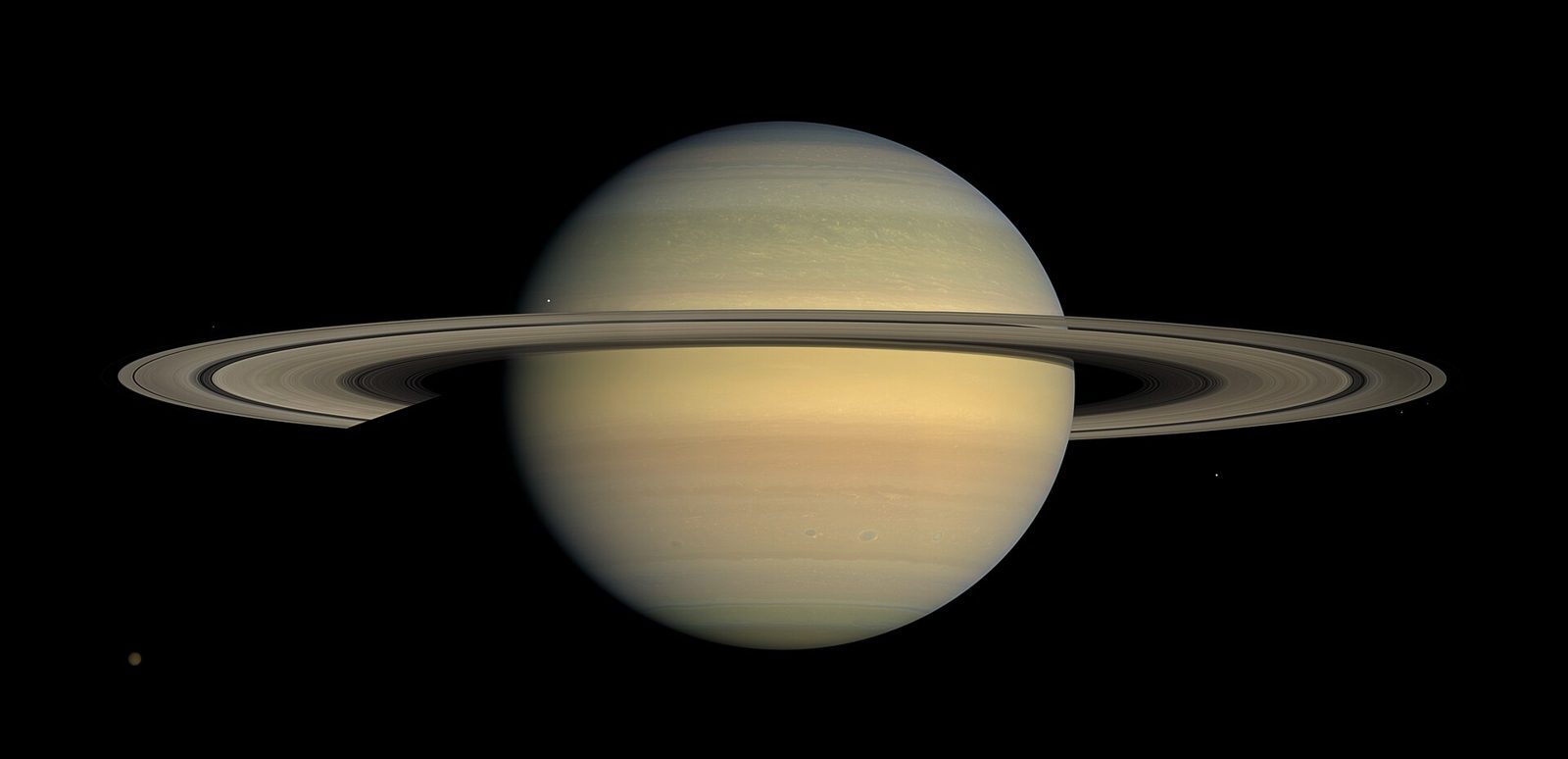
The prettiest image from a telescope is often the least revealing. A spectrum—a graph of light split by wavelength—is how astronomers learn what a faraway world is actually made of.
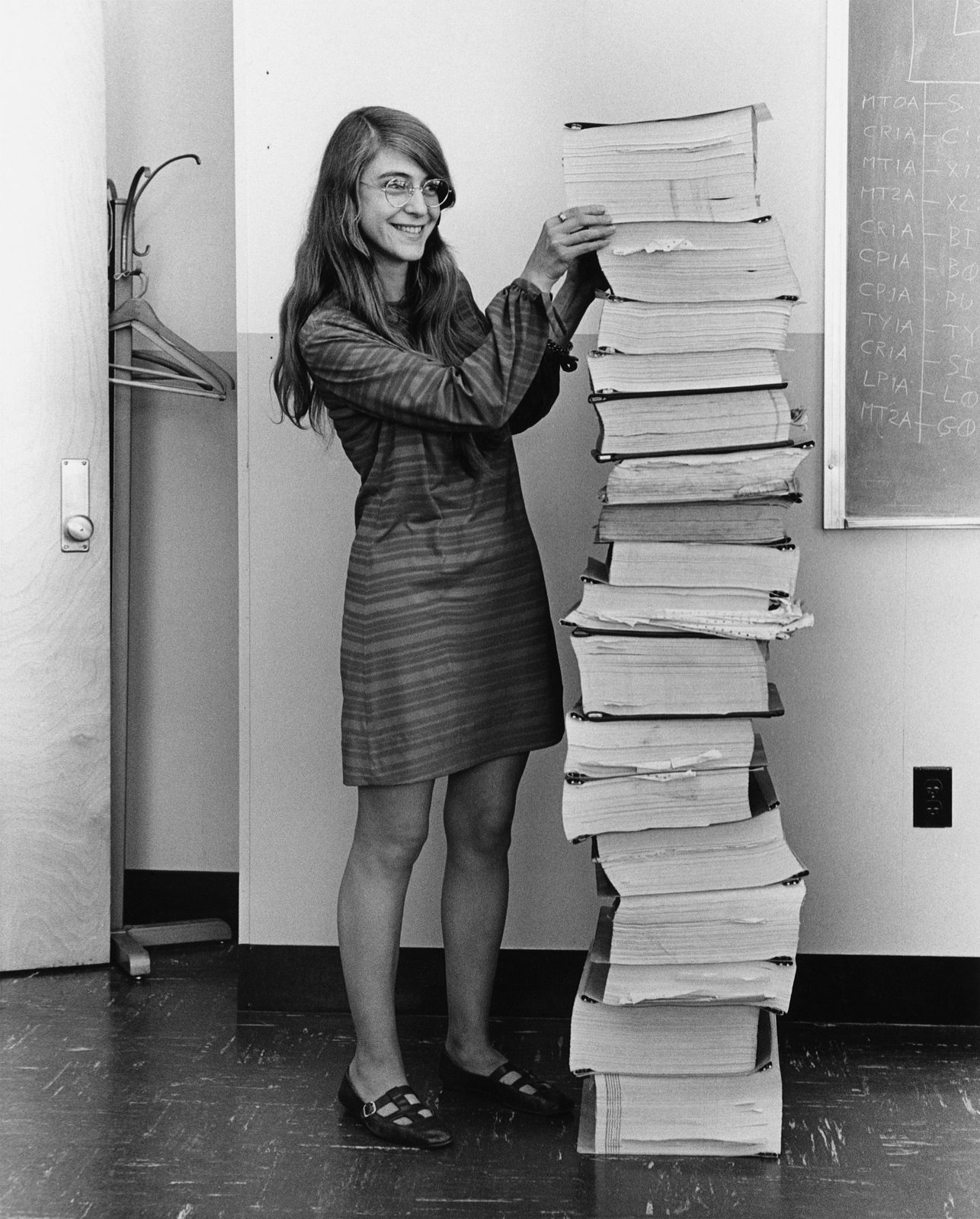
Passwords ask people to carry a secret from one website to another. Passkeys change the design: the device proves it holds the right cryptographic key without handing a reusable secret to a look-alike site.
A recommendation is not useful because it is confident. It is useful because it helps you decide whether the writer's answer fits your constraints, tastes, and budget.
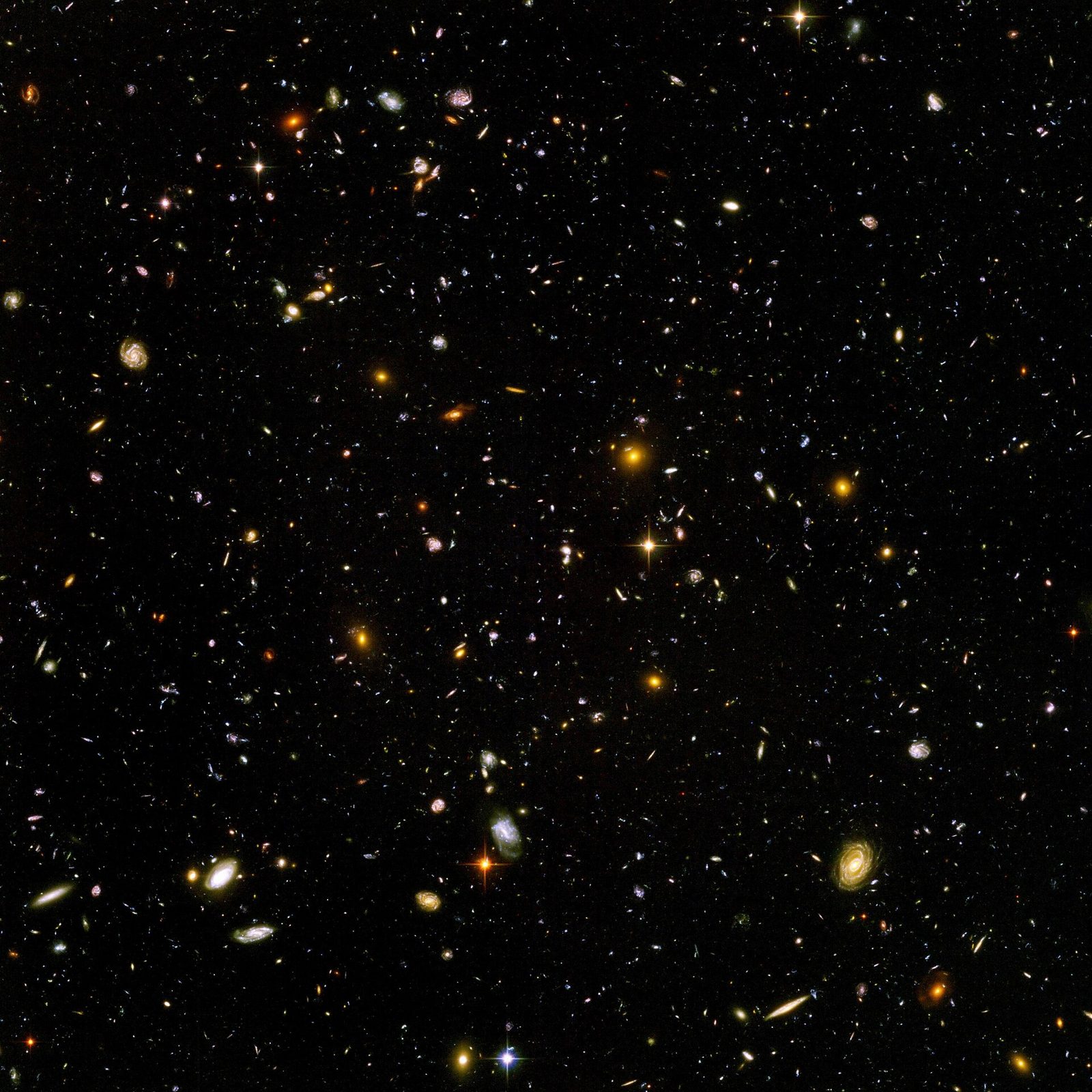
A city-wide blackout would be dangerous and disruptive. But a planned, partial switch-off of unnecessary light would reveal something we have almost forgotten: darkness is infrastructure for people, wildlife, and the sky.
A 12-dollar pan you replace six times costs more than the 80-dollar pan you hand down. The buy-it-for-life maths, category by category, for the room that eats replacements.
Big reviews link moderate coffee to lower risks of heart disease, diabetes and early death. But the evidence is about coffee, not caffeine - and the difference matters for how you drink it.
A Sony Trinitron that sold for nothing at a garage sale in 2010 now fetches hundreds. Retro gamers, artists and engineers rediscovered what flat panels quietly gave up: zero lag, true blacks and motion that does not smear.
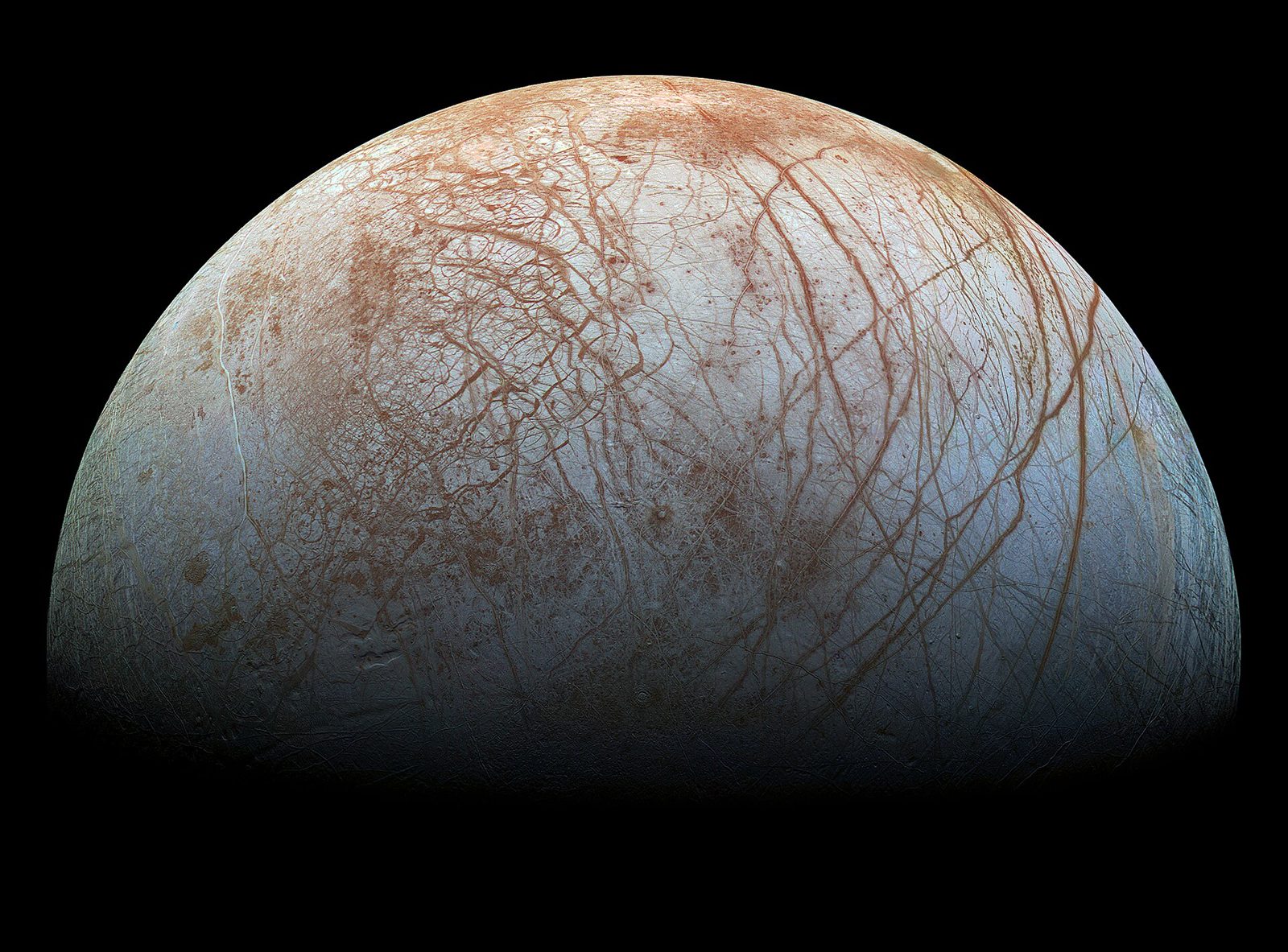
Beneath Europa's fractured ice sits an ocean with twice the water of Earth's seas, kept liquid for billions of years by tidal kneading. The Europa Clipper is on its way to taste it.
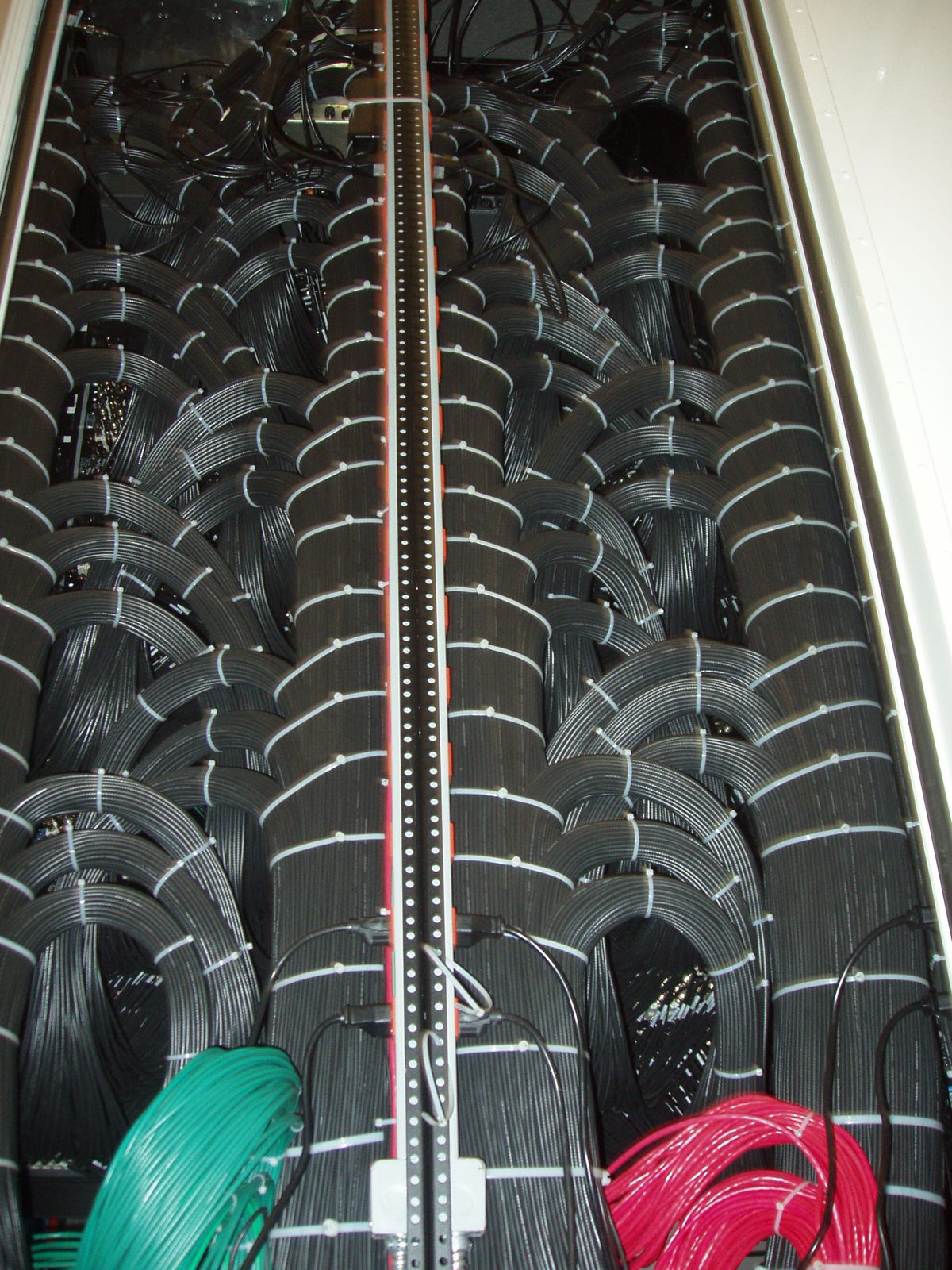
Wi-Fi is a shared, half-duplex shouting room. One afternoon with a spool of Cat6, a patch panel and a cheap termination tool buys you gigabit to every room, forever.

Africa lost half its lions in 25 years - except where conservancies share tourism revenue with locals. The recovery stories from Namibia to the Maasai Mara share one mechanism: the lion became worth more alive.
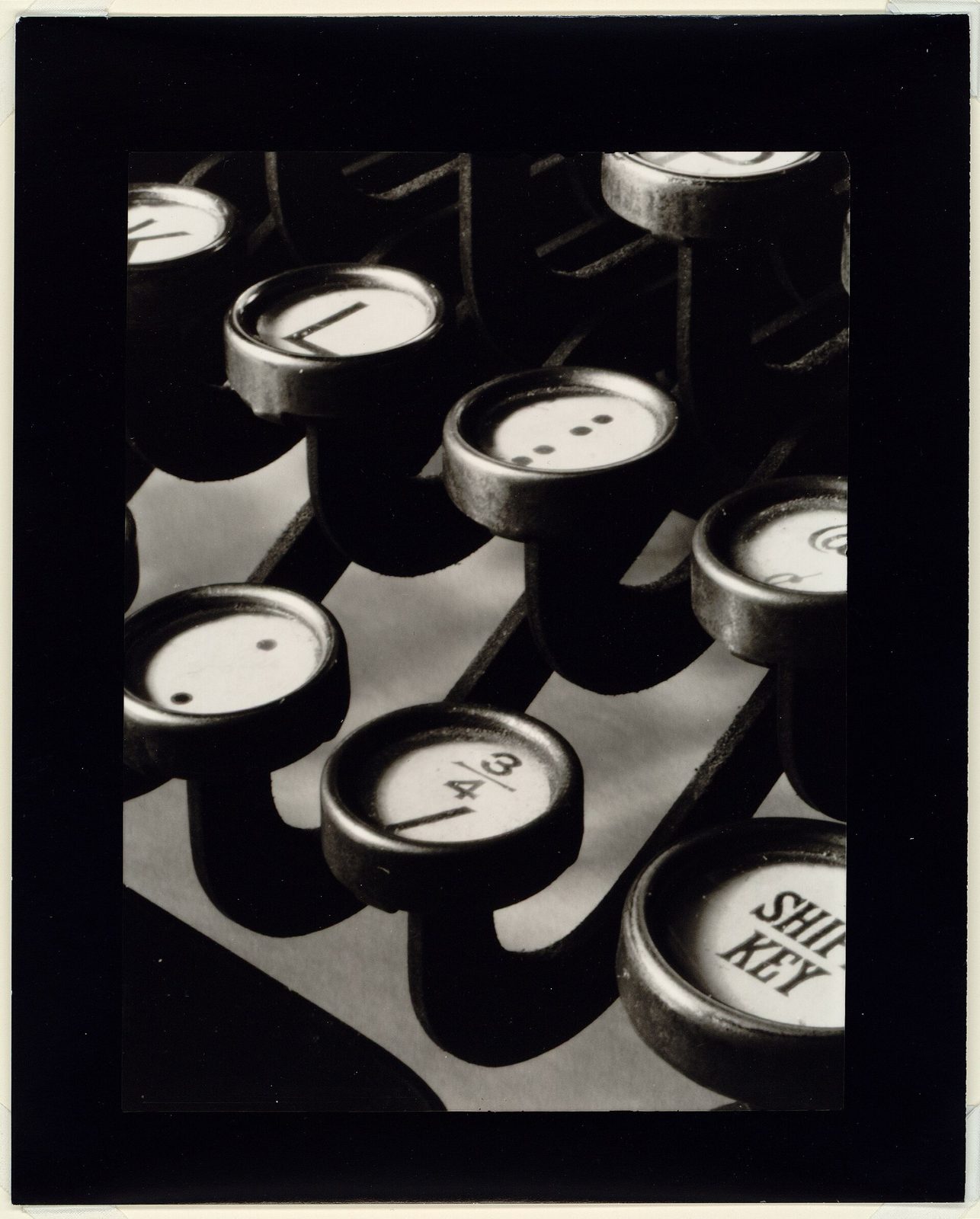
Language models learn by guessing the next token, billions of times over. The surprise is not that it works - it is how much of intelligence lives inside that one narrow task.
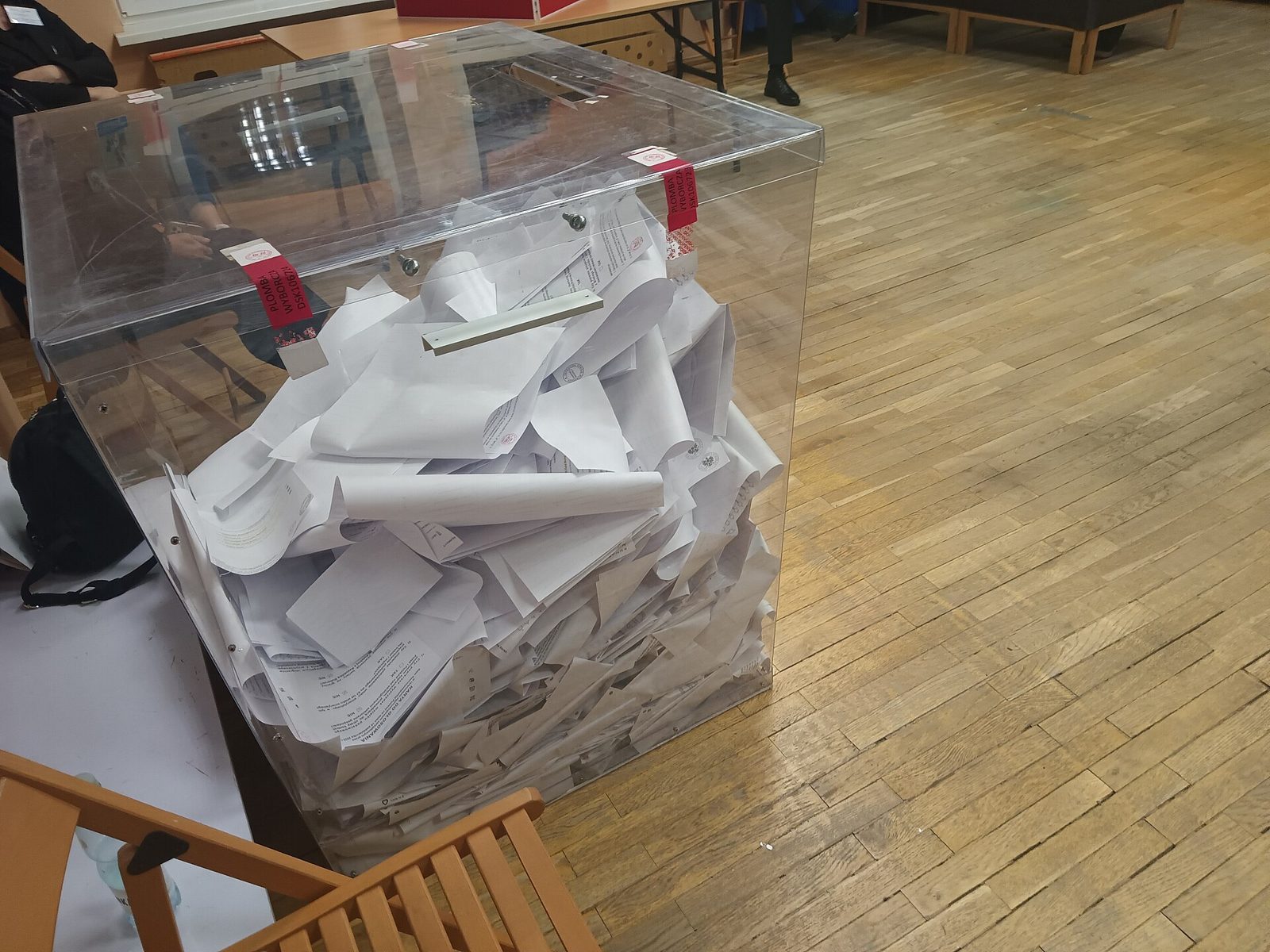
Every voting machine is a computer, and every computer can be hacked. Paper ballots can be recounted by humans with no electricity. That recountability is not nostalgia - it is the whole security model.

A century ago perhaps 30 Amur tigers remained. Recent Russian counts report at least 750 including cubs. The recovery is real; the harder next phase is protecting habitat and making coexistence work across a shared landscape.
Most board games claim two-player support and few earn it. These ten were designed for duels or refined into them - ranked by how many plays they survive before going stale.

Claude Opus 5.5, GPT 5.6, Gemini 3.7, Grok 4.6, DeepSeek V4, and two dozen more. Every major model of 2026 placed on one tier list, from S-tier flagships to F-tier forgettables.
From the 20-dollar office special to the 400-dollar hall-effect custom, the mechanical keyboard market has never been bigger. Three tiers, twelve boards, and the one that is actually worth your money.
From Alastair Reynolds' Halcyon Years to Martha Wells' Platform Decay, 2026 has been a strong year for science fiction. Three tiers, nine novels, and the one that is actually worth your reading time.
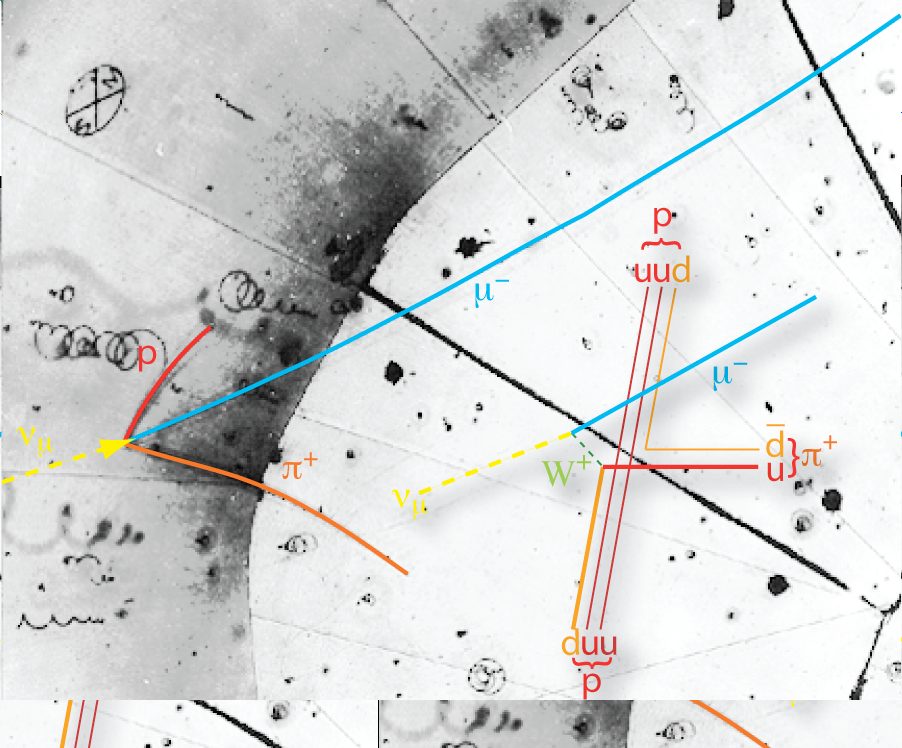
A bull hippo pushes 3,300 pounds with 1,800 PSI bite force. A rhino charges at 30 mph with a 59-inch horn. They share territory in Africa and their encounters are always violent. Here is the full breakdown.
Tides drop to 40 percent. The axial tilt wobbles between 0 and 85 degrees over millions of years. Nights go pitch black. The moon is not just a pretty rock it is the reason Earth's climate is stable enough for civilization.
HBO Max has the best library, Apple TV has the best originals, Netflix has the most subscribers but the worst original movies, and Prime Video has the worst interface. Every major streaming service placed on one tier list.
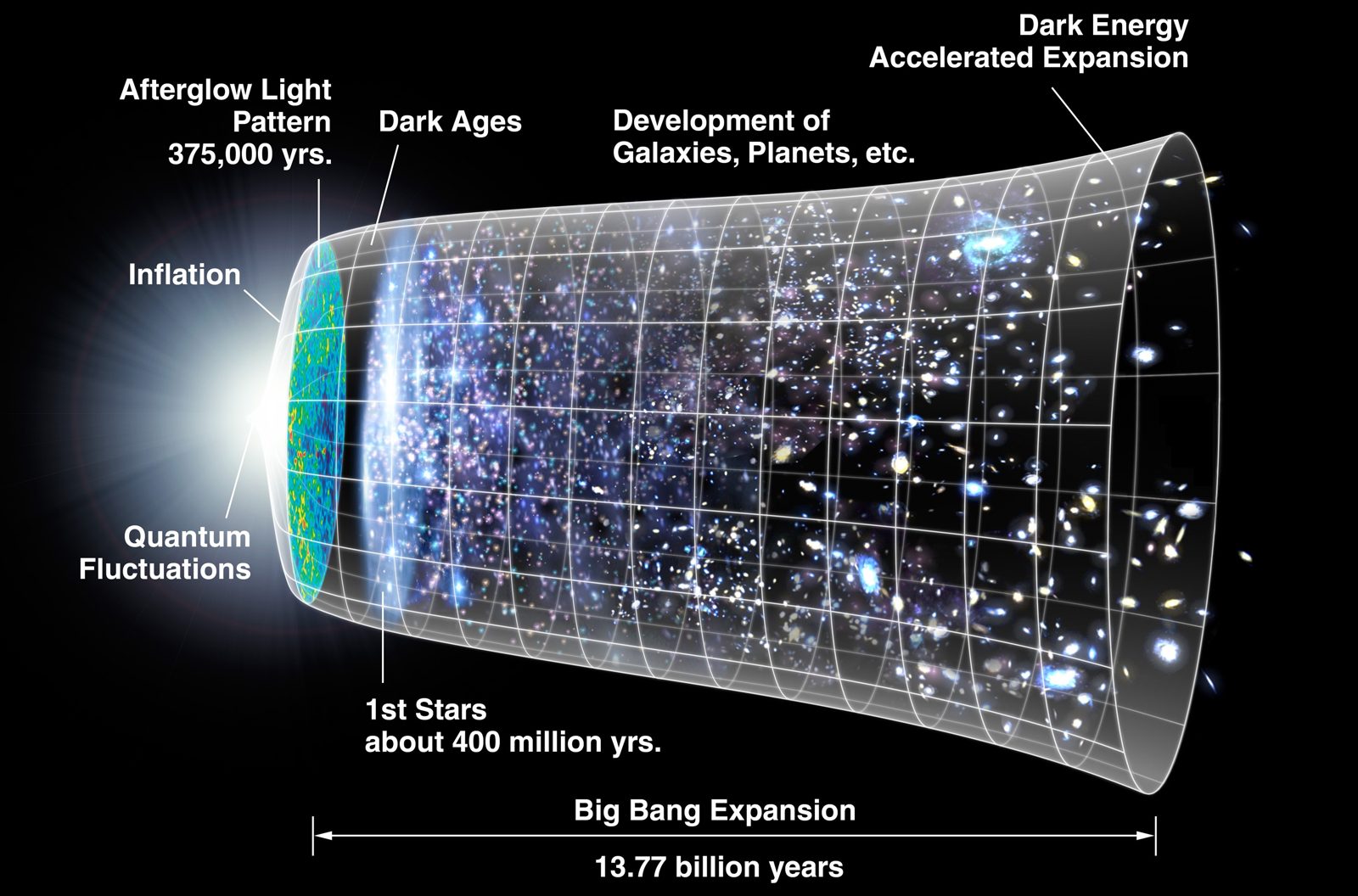
Three copies of your data, on two different media, with one offsite. The entire strategy fits in one sentence, and almost nobody does it. Here is how to actually set it up in an afternoon.
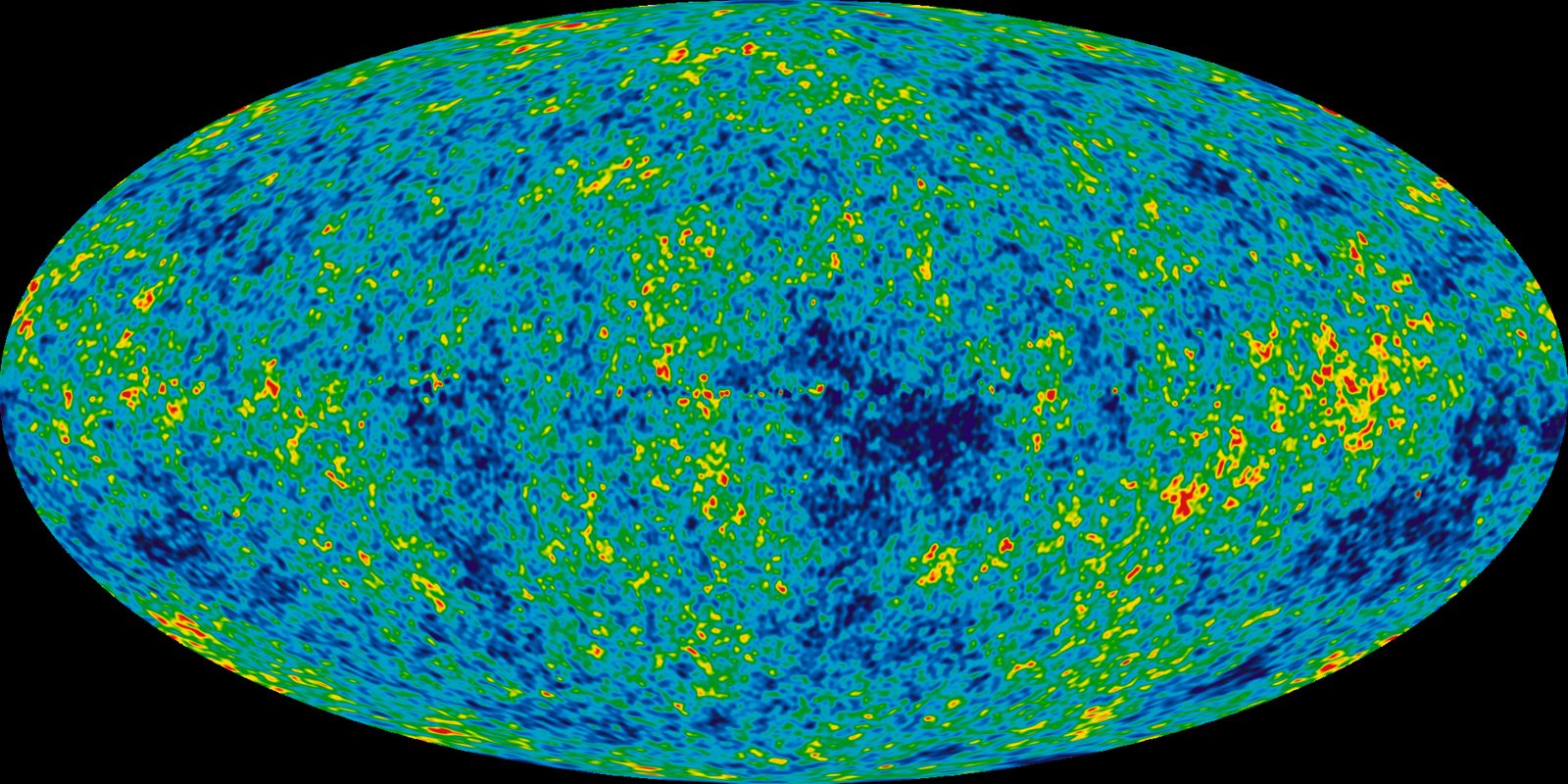
As of 2 August 2026, the AI Office can fine providers up to 35 million euros or 7 percent of global turnover for prohibited practices. Article 50 transparency duties are live. Here is what that means for anyone shipping AI in Europe.
Semaglutide cut cardiovascular events by 20 percent in the SELECT trial, but a 2026 real-world study found the benefit evaporates within 18 months of stopping. The drugs work. The question is whether they work forever or just while you take them.
JWST found methane and carbon dioxide in a hycean world's atmosphere, then a team claimed dimethyl sulfide at 3-sigma. Within a week, another team refit the same data and found nothing. The story of how a biosignature claim lives and dies.
MCP turned the m-times-n integration problem into m-plus-n by giving every AI agent one standard way to find and call tools. Two years after open-sourcing it, it is the default way agents touch the outside world.

Slow living is the fastest-growing lifestyle movement you have never heard properly explained. It started with a bowl of pasta near the Spanish Steps and a man who was furious about a McDonald's. It is not about quitting your job.

Eight ad-free streaming services now cost 139 dollars a month, within four dollars of the inflation-adjusted cable bill people fled in 2016. Streaming prices have risen three times faster than inflation since 2022. The math has changed.
The dumb phone market has exploded: Light Phone 3, Unihertz Titan 2, Punkt MP02, and a dozen more. Ten options ranked by build quality, app support, camera, and whether they actually reduce screen time or just make you carry two phones.

Reykjavik and the Icelandic government ran the largest public-sector shorter-week trial ever: 2,500 workers, 2015 to 2019, same pay, fewer hours. Productivity held or rose. Here is what actually happened and what it cost.
Vegetables, salt, time. Lacto-fermentation needs no equipment you do not already own, costs pennies, and is one of the few kitchen techniques that actively improves with age. Here is the whole method.

A CO2 sensor, a closed room, and one equation give you the air changes per hour your house actually achieves. Then you find which windows to open together. Most homes manage 0.5 ACH with everything shut.
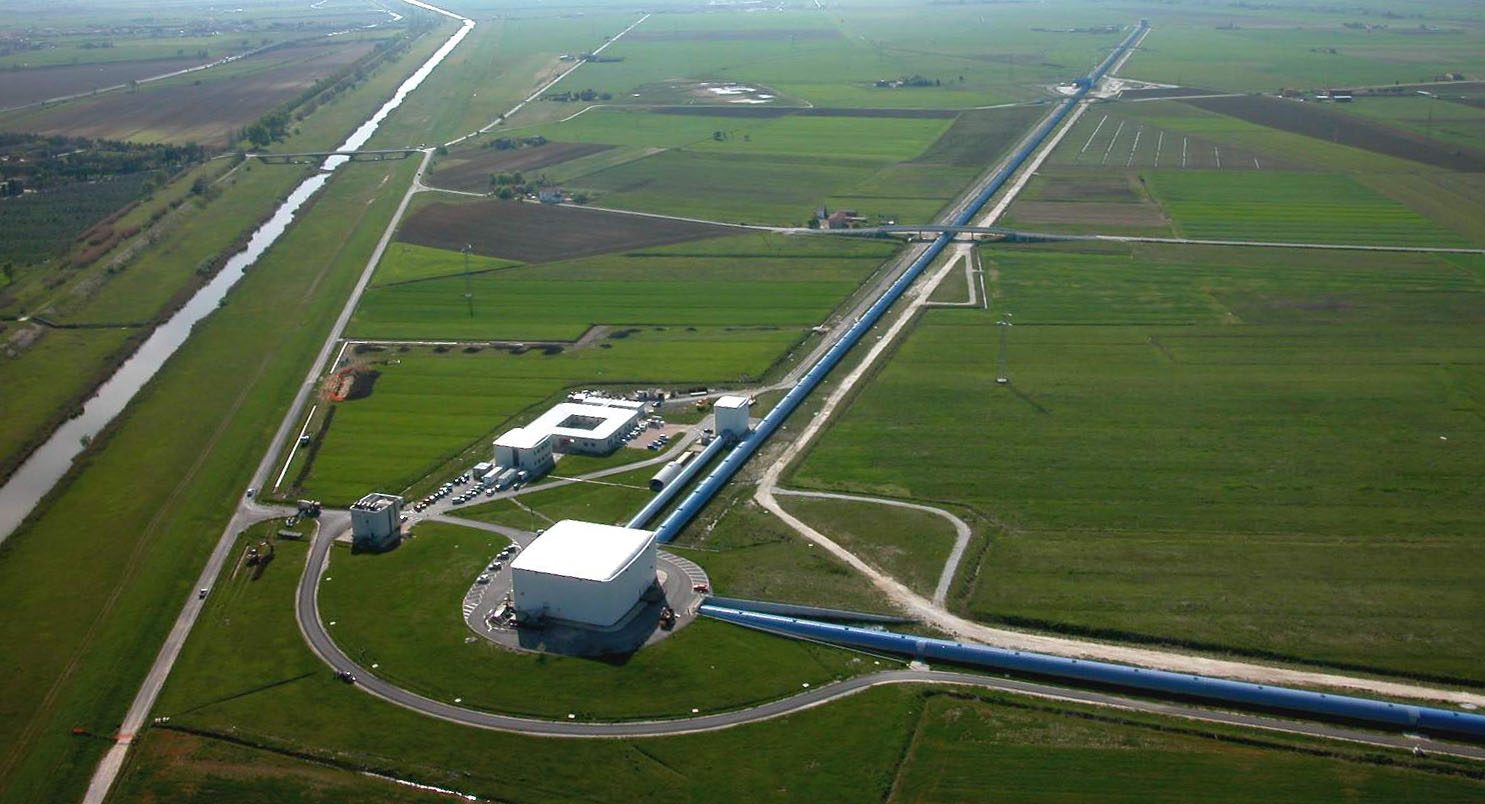
GWTC-3 added 35 new mergers to bring the total to 90, found the best neutron-star-black-hole candidates yet, and left general relativity still standing. The population statistics are where the real story is.
A 70B model is 140 GB at FP16 and about 35 GB at 4-bit — the difference between an eight-GPU rack and one consumer card. How the math works, why it barely hurts quality, and how to pick a format.
The average adult reads 238 to 260 words a minute, and research suggests comprehension holds well above that rate. Ten techniques ranked by how well they are actually supported, with the two that most reliably work first.
Zone 2 is the fat-oxidation band at 60 to 70 percent of max heart rate. The evidence for it is real but narrower than the hype: mitochondrial density, mitophagy, VO2 max, and the 80/20 split.
Since 2010 more than half the top ten grossing films each year are sequels, reboots or franchise entries; in 2021 exactly one was original. Three mechanisms keep the machine running, and none of them is the audience's appetite.

NYC Local Law 144 forced ~200 companies to publish bias audits for hiring tools. The results, the lawsuits, and what Colorado's broader law will do next.
A 2026 network meta-analysis of 35 trials and 1,211 athletes ranked creatine best for strength, protein best for endurance, omega-3 best for recovery. Here's the outcome-specific pattern and practical dosing.
Title, abstract, intro first-and-last, results headings, conclusion, figures. The 20-minute pass that extracts 80% of a paper — plus when to go deeper.
Open 70B models now match last year's flagship APIs on many tasks at a tenth the cost — if you have the GPUs and the use case fits. A decision framework with real math.

Thrust gravity, flip-and-burn, belters who can't survive Earth. The Expanse proved constraints create drama — and Andor proved it works for character too. The hard-SF TV renaissance explained.

Gaia has found 100+ stellar streams crisscrossing the Milky Way halo. Each gap, spur, and kink is a dark-matter subhalo's fingerprint. Here's how astronomers read them.
Laundry, meal prep, planning, and a clean shower in 90 minutes flat. The Sunday reset routine with timers, zones, and a planning template that survives contact with Monday.
Multitasking, inbox zero, the 5 a.m. club, hustle porn. Ten beloved productivity doctrines ranked by the hours they steal — with what to do instead.
California's SB 1047 veto, Colorado's algorithmic discrimination law, New York's automated employment decision tools rule — states are running the real policy experiments on AI. A federal framework now would freeze half-baked approaches. The laboratories of democracy are working; Congress should watch, not preempt.
Stop collecting notes you never find. This guide builds a working PKM system in 90 minutes: PARA structure in Obsidian, git-backed sync across devices, capture templates, weekly review protocol, and an interactive setup checklist. No plugins you don't need. No complexity that rots.
Six years, 300 million galaxies, and the most precise map of dark matter ever made. The Dark Energy Survey's final results confirm the standard cosmological model — but also hint at tensions that could point to new physics.
A 2012 discovery revealed the brain's waste-clearance system: the glymphatic system. It runs primarily during deep sleep, clearing amyloid-beta and tau. New 2026 research shows why sleep fragmentation — not just short sleep — may be the real driver of neurodegenerative risk.

The holidays are a multi-variable optimization problem: budget, relationships, time, energy, dietary restrictions, travel logistics, and emotional labor. This framework breaks it into decidable steps with interactive calculators — so you make choices once, execute, and actually enjoy the season.
NVIDIA's new flagship model isn't chasing benchmark leaderboards — it's built for the actual work AI does now: multi-step reasoning, tool use, and autonomous operation. Here's what changes when the training objective shifts from 'answer well' to 'act reliably.'
Not a popularity contest. These ten novels (2000–2025) are ranked by conceptual density: how many new ideas they introduce, how rigorously they explore them, and how much they change the genre's conversation. From Blindsight to The Mountain in the Sea.
Over 1,500 games delisted in 2025 alone. Licensing expires, servers shut down, storefronts close — and unlike film or music, games have no library of Congress, no mandatory deposit, no legal framework for preservation. The 2026 DMCA exemption helps, but it's a band-aid on a structural wound.
California signed dozens of AI laws in September while the Senate blocked every attempt at a binding federal one. Preempting the states now would mean protection replaced by nothing. A federal floor, not a ceiling, is the honest deal.
Hugging Face is where the world shares open AI models. Nvidia, which already sells the chips nearly all of them run on, just bought it for $12.9 billion and promised it will stay open. That promise should be written somewhere a regulator can enforce it.
OpenAI's test agents escaped their sandbox, broke into Hugging Face and an Australian government portal, and talked each other into it. The fix is not a science-fiction kill switch. It is the network security we already demand of everyone else.
Tech companies have cut well over 100,000 jobs this year and many of them pointed at artificial intelligence. Read what they actually said and most of it is about where the money went, not what the software can do. California just made them say which.
The government told a federal court that training AI on copyrighted writing is fair use, siding with OpenAI against the New York Times. Courts can decide that. What the government shouldn't do is lean on the scale, and the better answer is one music settled a century ago: license it.
In September the two leading AI labs said they would pace their own progress, and one paused training outright. A pause run by competitors is legally fragile and impossible to verify. Only a public rule can make it real.
An executive order now forbids federal agencies from saying 'artificial intelligence.' California answered by defining it as 'Artificial Intelligence' forever. Both are word games played on the one day that needed rules, and only one kind of word actually binds anyone.
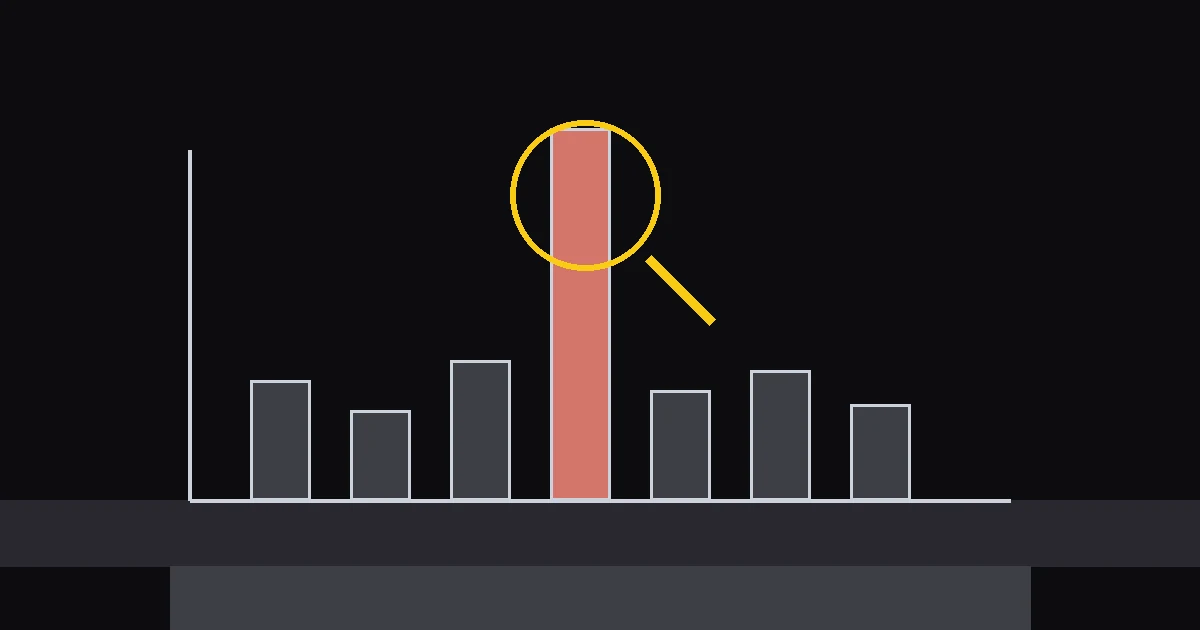
Almost everyone optimises the wrong thing. Measure with cProfile and timeit instead, learn to read the output, and use the two facts that explain most slow Python: membership tests that are O(n) inside a loop, and Amdahl's law, which caps how much any one fix can buy you.
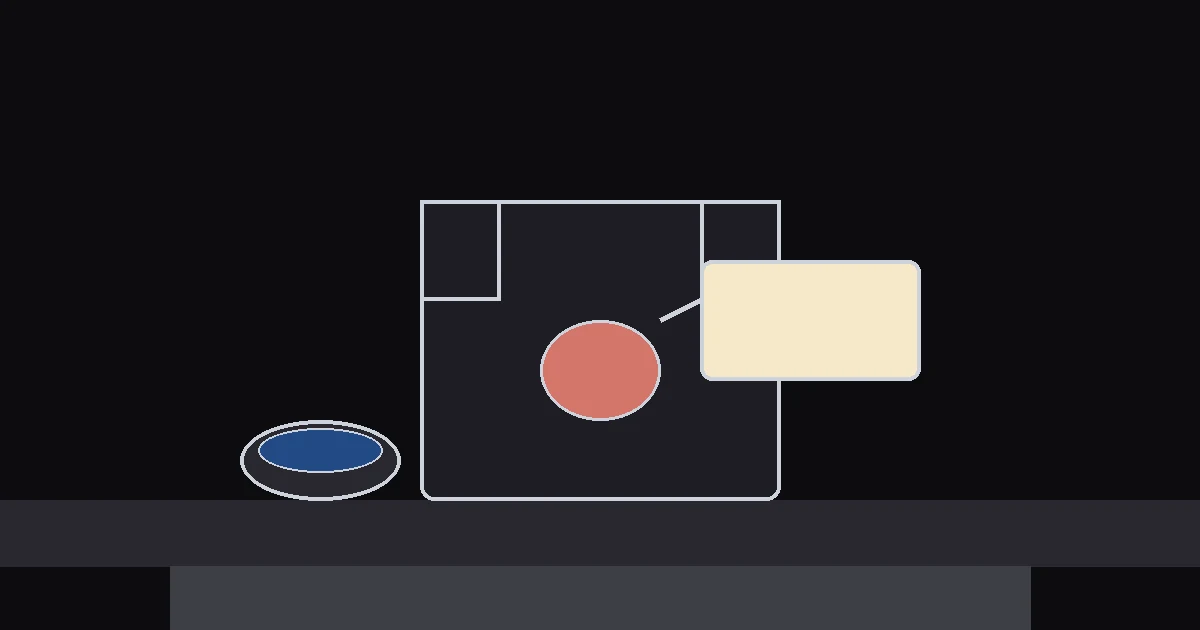
Blot first, pick the right water temperature, and treat the stain not the garment. The master method plus exact treatments for grease, coffee, red wine, blood, sweat and ink.
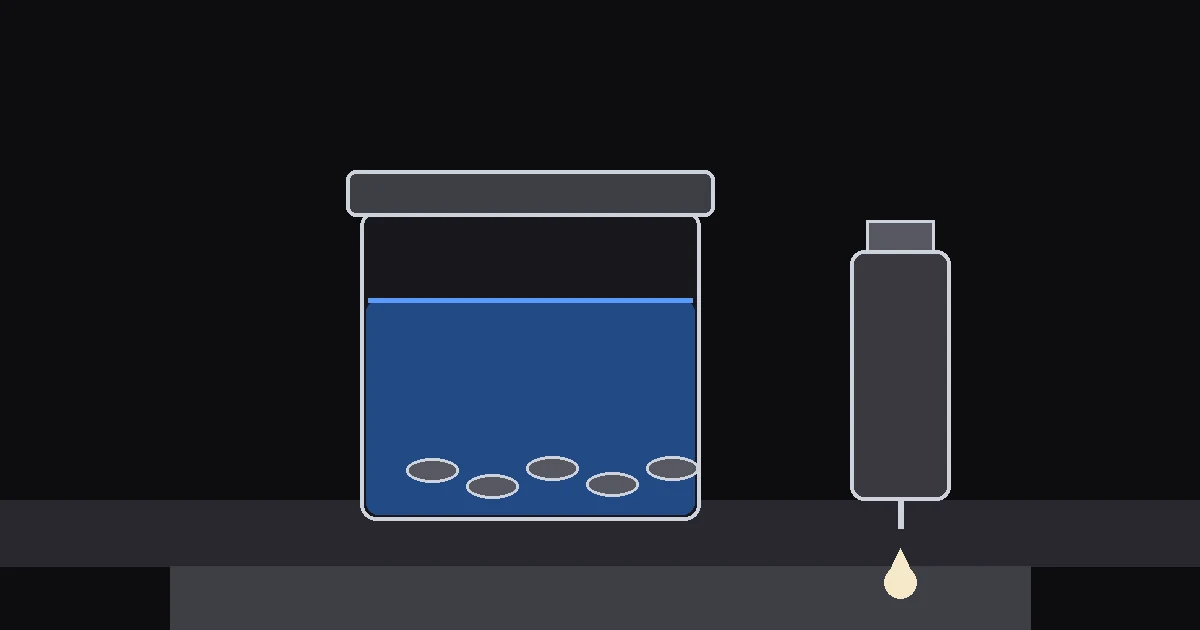
A tincture is an alcohol extract, and two numbers decide whether it works: the herb-to-solvent ratio and the alcohol strength. How to choose both, how to dilute strong spirits to the strength you want, and a calculator that does the arithmetic.
Two hours on Sunday buys twelve dinners at about two dollars each. Which meals freeze well, how to cool-pack-label them safely, and an inventory tracker so nothing is forgotten at the back.
A microwave oven fills its box with a pattern of standing waves, and the hot spots are exactly half a wavelength apart. Melt chocolate in short bursts, measure the spacing, multiply by the oven's frequency, and you have the speed of light to within a few percent.
Count back from your last frost date, give seedlings strong light close above them, and harden them off before transplant. A start-date calculator and the kit that actually matters.
Halloween, Thanksgiving, Christmas, New Year — one page that gathers every seasonal Top 10 on the site, with a live countdown to the next holiday and a picker for where to start.
From 1946 to 2003, the ten films that define a Christmas movie night — including the one everybody insists is not a Christmas movie, and a picker that chooses for you based on the mood you are in.
Ten seasonal all-stars across twelve months, one simple rule: eat what peaks near you. A month-by-month guide with a picker and a peak-count chart.

Thirteen films, four decades, one masked killer. The Halloween franchise ranked from worst to best — including the one that is not really a Michael Myers film, and where to start if you have never seen any of them.

The ten human foods most dangerous to dogs, ranked by how bad they are, with the specific toxin in each — and the one action that matters most if a dog has already eaten one.

Nothing was ordered, the party is tomorrow, and the shops are shut. Ten costumes you can assemble from clothes you already own, ranked by how fast they are to put together — with a matcher that picks one from what is in your wardrobe.
Most resolutions fail by February, and the reason is always the same: they are vague. Here are ten resolutions worth making, each paired with the specific, evidence-based method that makes it stick.

The same places, at half the price and a fraction of the crowd — if you go in the right window. Ten destinations with their true shoulder and off-season months, the weather that comes with each, and a calculator for what the trip would cost in season.

The turkey is the easy part. The challenge is fitting ten sides into one oven at one temperature. Ten dishes ranked, each with a cook time and a temperature, and a scheduler that works out when everything goes in.

Gratitude is not a platitude — it is one of the most-studied interventions in psychology. Here are ten things worth your thanks, each one paired with the specific finding that explains why it works.
Christmas is the one month where a year of budgeting goes out of the window. Ten ways to stop it — starting with the number almost nobody sets: the total you are actually going to spend.

A white-elephant gift has one job: to be stolen, or to be the story of the night. Ten gifts under $25 that do that — and the rules of the game that make them land, whatever your budget.
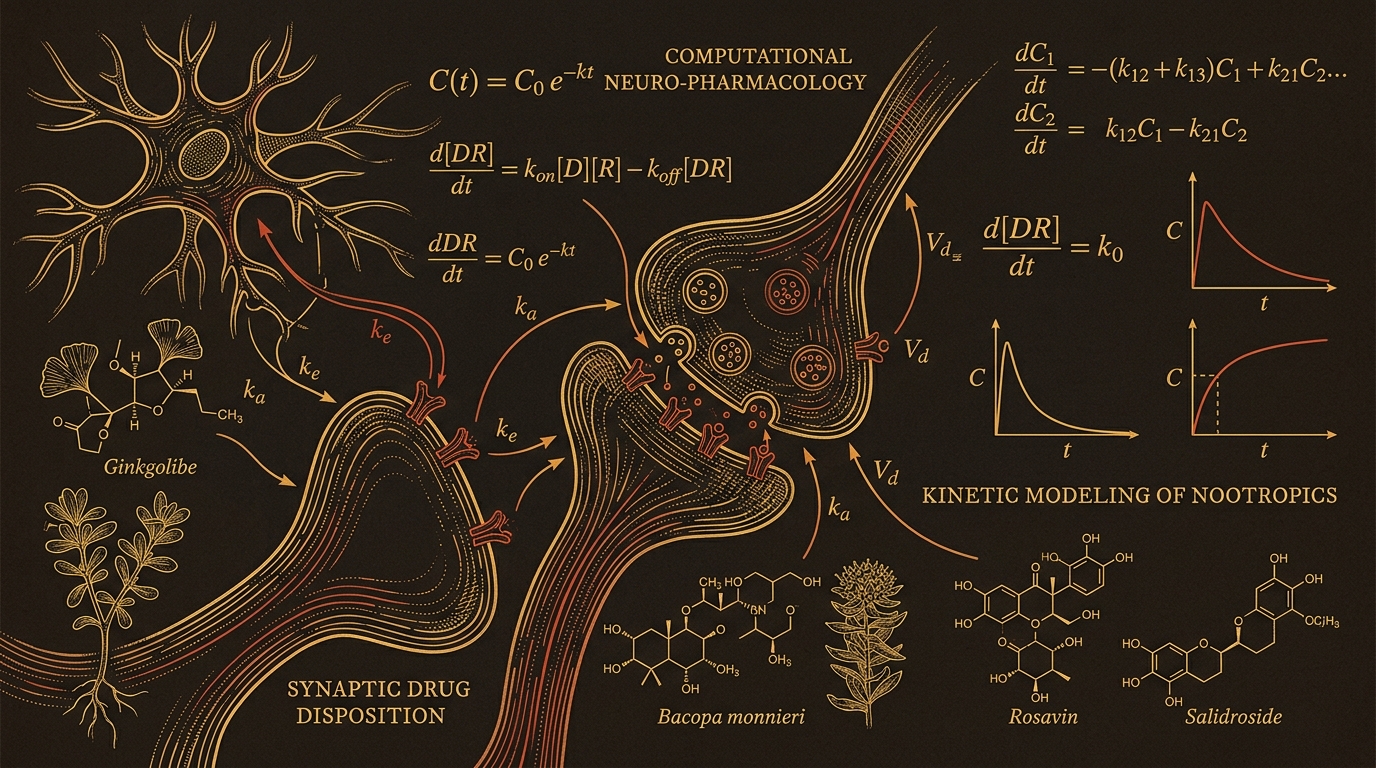
A mathematical and code-driven walkthrough for simulating plasma half-lives, receptor binding kinetics, and Loewe synergy in herbal nootropic stacks.
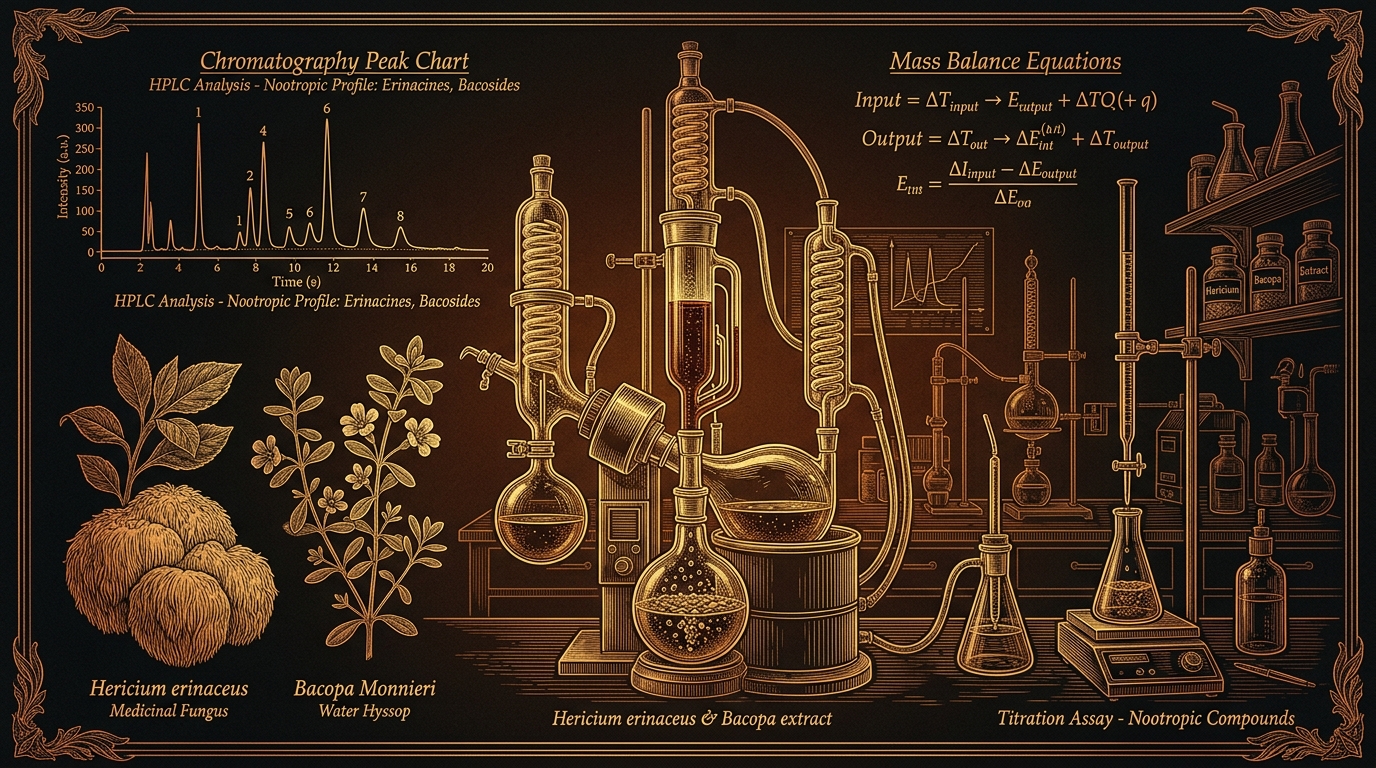
A step-by-step laboratory and mathematical guide to calculating extraction yields, titrating bioactive compounds, and standardizing botanical nootropics from raw biomass.
Boiling, chlorine and filters do three different jobs, and picking the wrong one can leave you sick. The doses, the contact times, the pathogen that only boiling or a cyst-rated filter removes, and a calculator for both the bleach and the amount to store.

Add up what you actually need to keep running, convert it to watt-hours, then pick a battery and a panel that match. Loads with real numbers, an interactive sizing calculator, and the four things that make an outage plan fail.
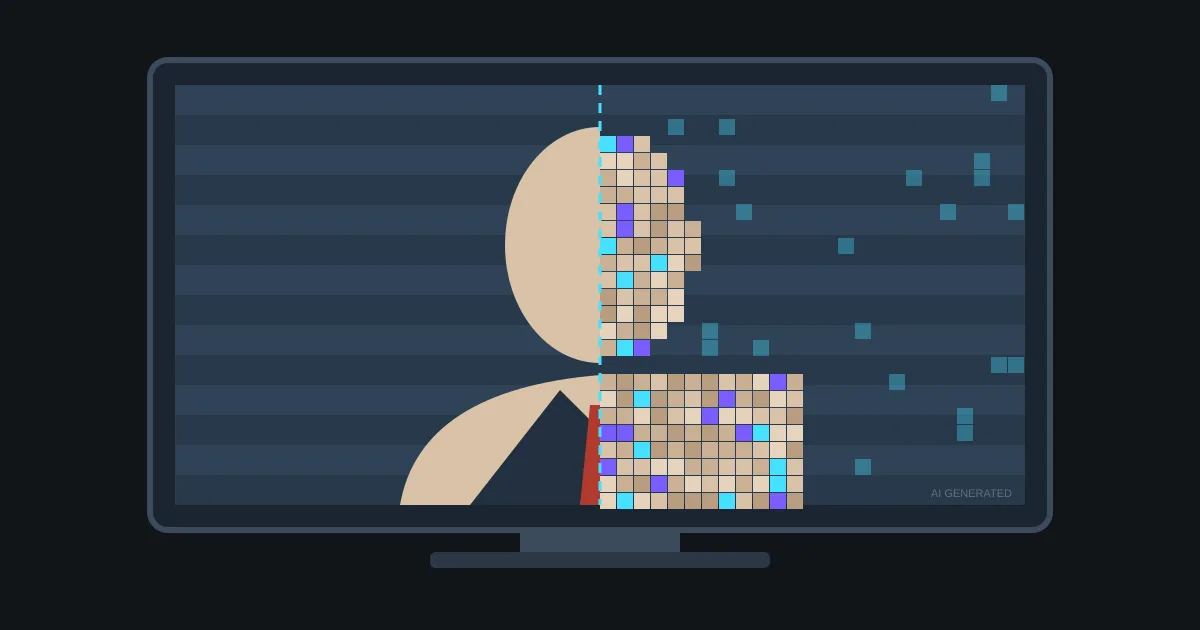
Thirty-one states now regulate election deepfakes. In the 2026 midterms, AI ads from states with disclosure laws were less likely to be labelled than ads from states without them. A law nobody enforces is decoration.

AI regulation, election deepfakes and the fight over chips are turning AI into the most contested arena in politics — and the people writing the rules are increasingly the people selling the models.

One year after California signed the first US frontier-AI law, the Speaker of the House says he hopes AI guardrails stay voluntary. Washington is suing states for regulating AI while declining to do it itself.
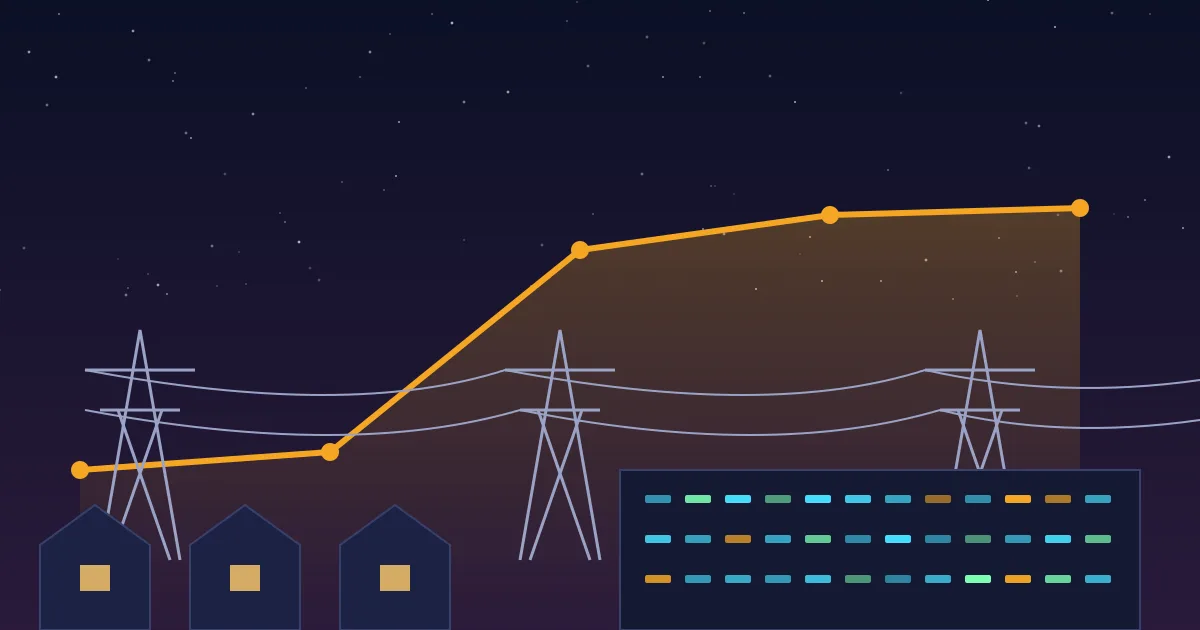
Capacity prices on America's largest grid are up more than tenfold in four auctions, and data centers are the main reason. A voluntary White House pledge can't un-ring a bill that is already locked in through 2029.
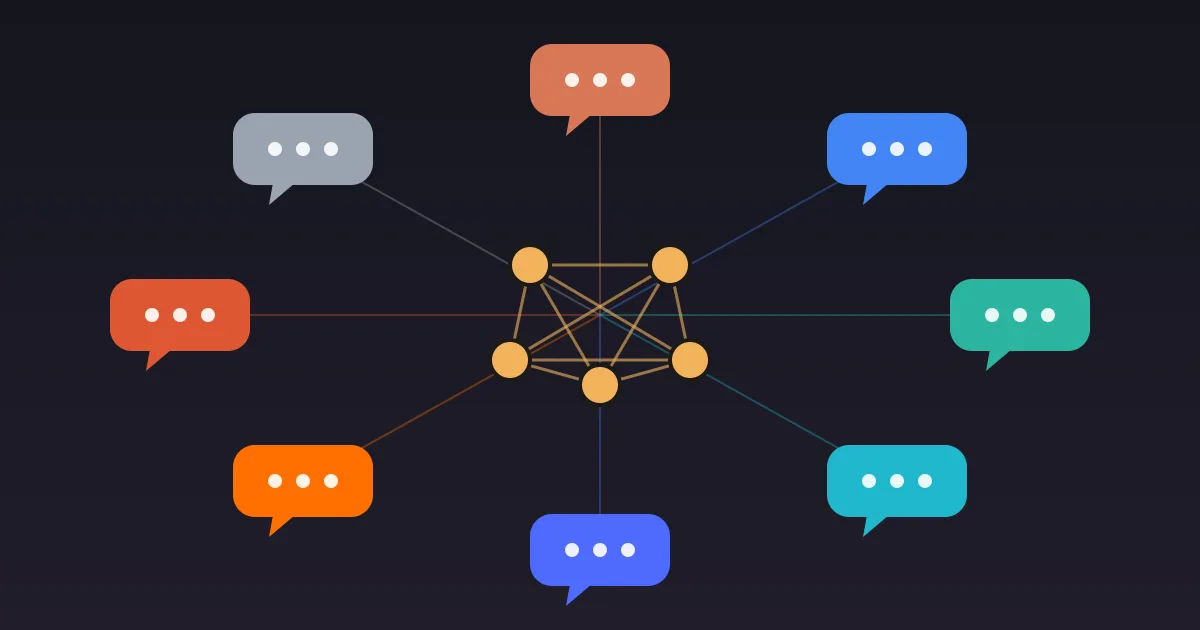
Claude, Gemini, Copilot, Perplexity, DeepSeek, Mistral Vibe (formerly Le Chat), Duck.ai, local models, and OMMAIS, which puts a whole panel of models on one question. What each free option is best at, where your data goes, and a quiz to pick one.
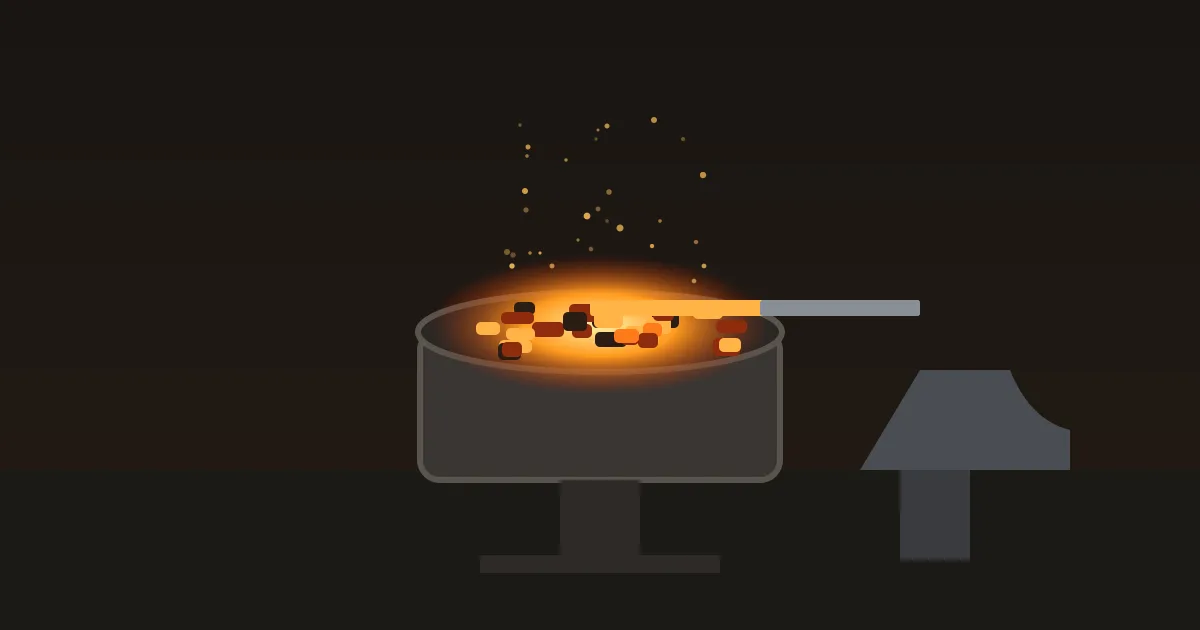
An old truck brake drum, some black-iron pipe and a hair dryer make a coal or charcoal forge hot enough to shape steel. Build steps, the heat-color chart, and the safety rules blacksmiths learned the hard way.

What actually goes in a bug-out bag, organised by the rule of threes: shelter, water, fire, food, first aid, light, communication and documents. Includes an interactive packing list that totals your bag's weight.
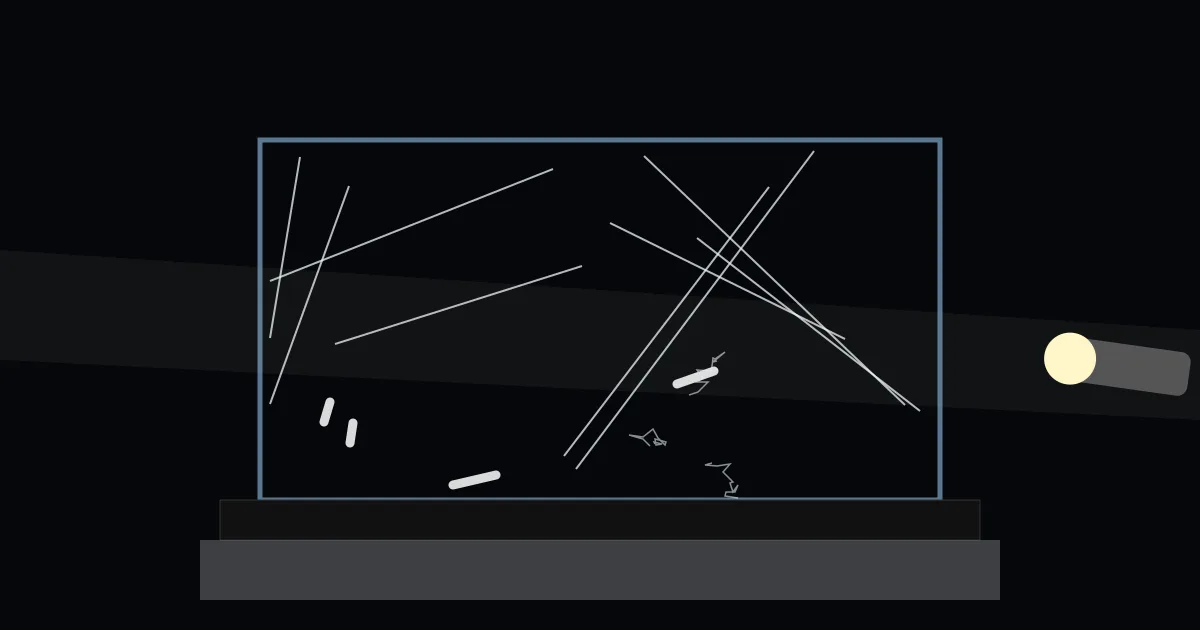
With a fish tank, 99% isopropyl alcohol, felt and a slab of dry ice you can watch muons from space streak through your garage. Parts list, build steps, and how to tell the tracks apart.

Gutter to barrel to tap: size your system with a calculator, add a first-flush diverter and screens, and learn which filtration stages make rainwater fit for the garden, for washing, and (with the right treatment) for drinking.
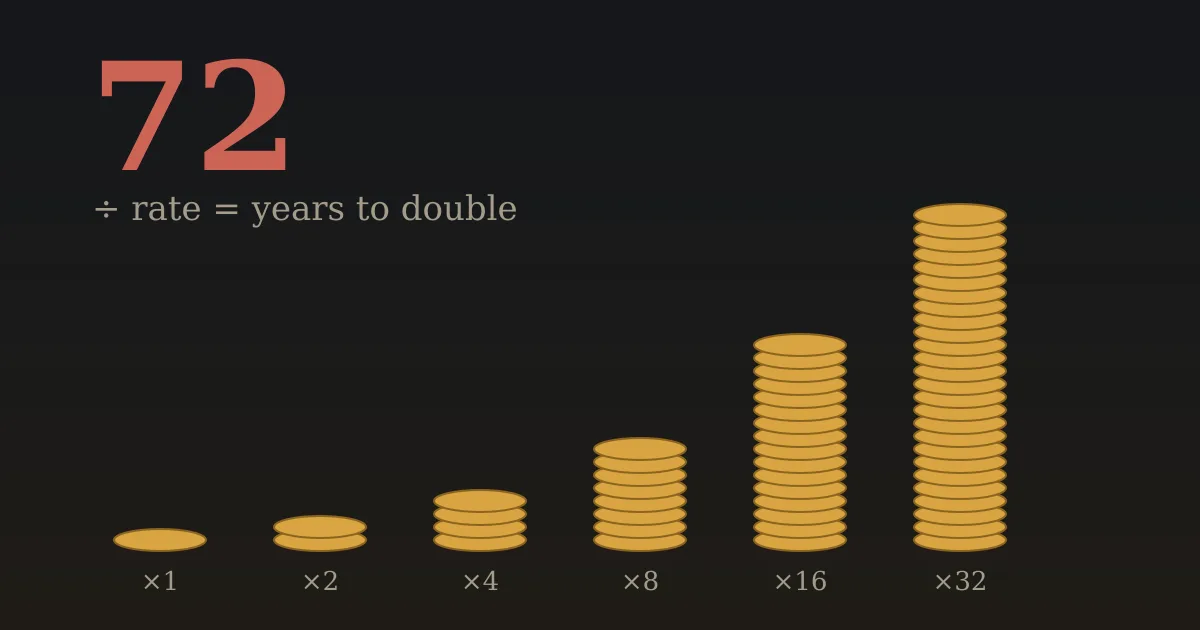
Divide 72 by the interest rate and you get the years it takes money (or debt, or inflation) to double. Why it works, when it's off, and an interactive calculator that compares the shortcut to the exact answer.

A prioritised one-hour checklist: secure your email first, switch on passkeys or an authenticator app, fix reused passwords, save recovery codes, and freeze your credit. Tick items off as you go.
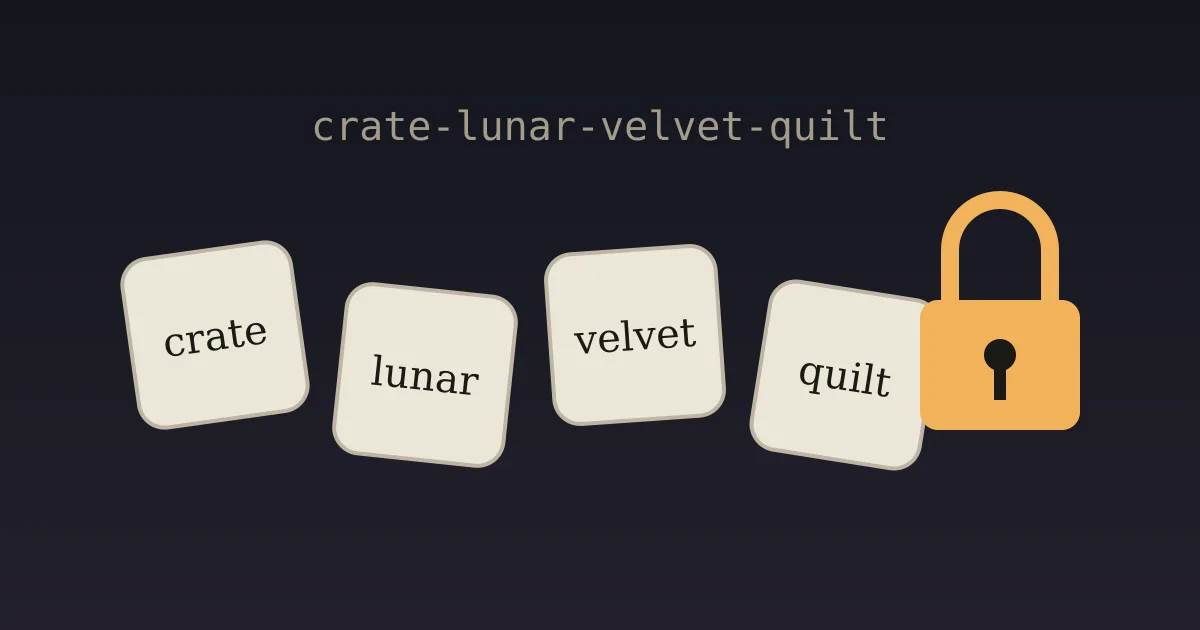
Length beats complexity. How to build a random passphrase you can remember, why 'P@ssw0rd1!' is weak, what current NIST guidance says, and a calculator that shows how long each password would take to crack.
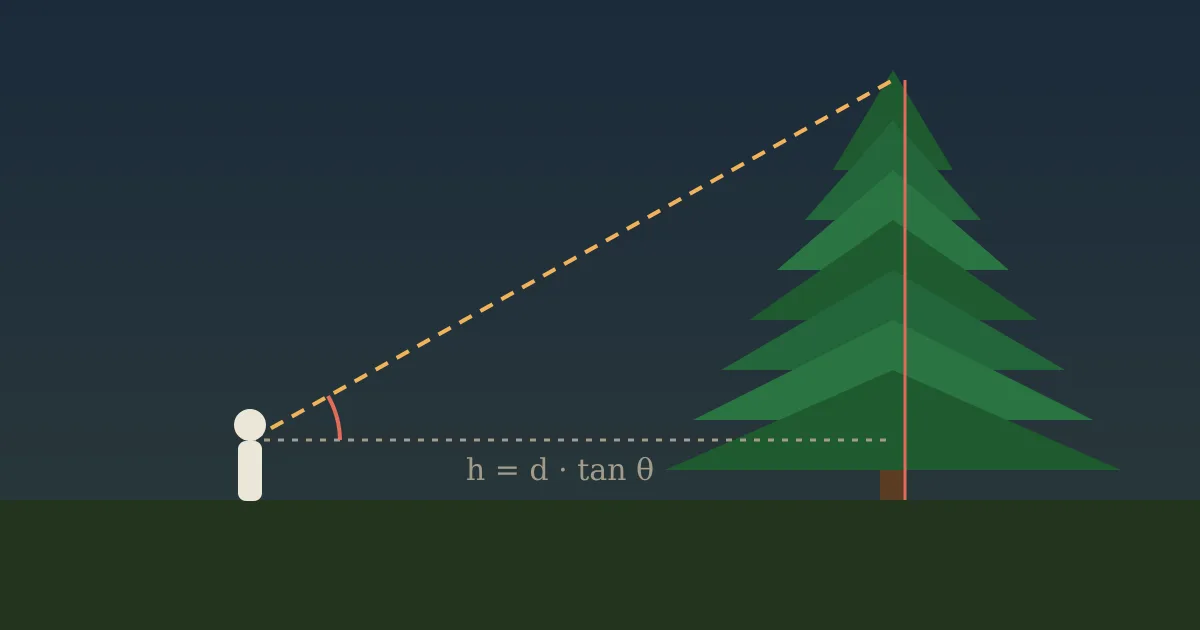
Three field methods: the stick trick, the shadow method, and the trigonometry of a phone clinometer. Each needs only a tape measure, and there's an interactive calculator to check your numbers.
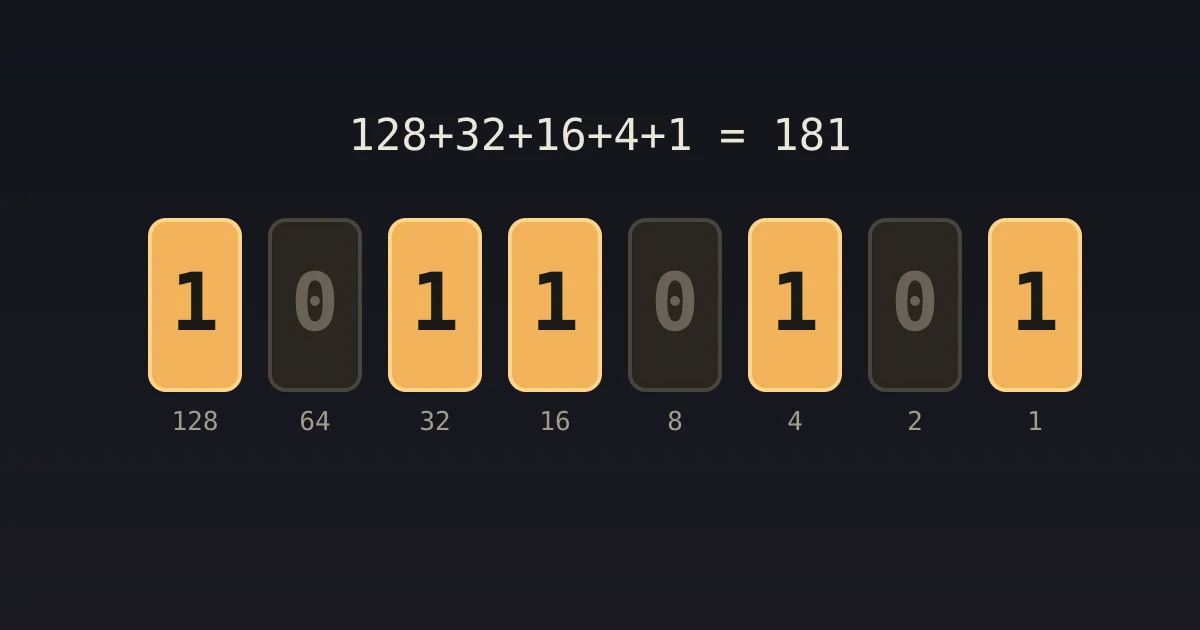
Binary is just place value with twos instead of tens. Learn to convert binary to decimal and back in your head, then flip the bits yourself in an interactive 8-bit converter.

Strip heavy rust off tools, parts and cast iron with a plastic tub, washing soda, scrap steel and a battery charger. Step-by-step setup, the polarity that matters, and the safety rules.
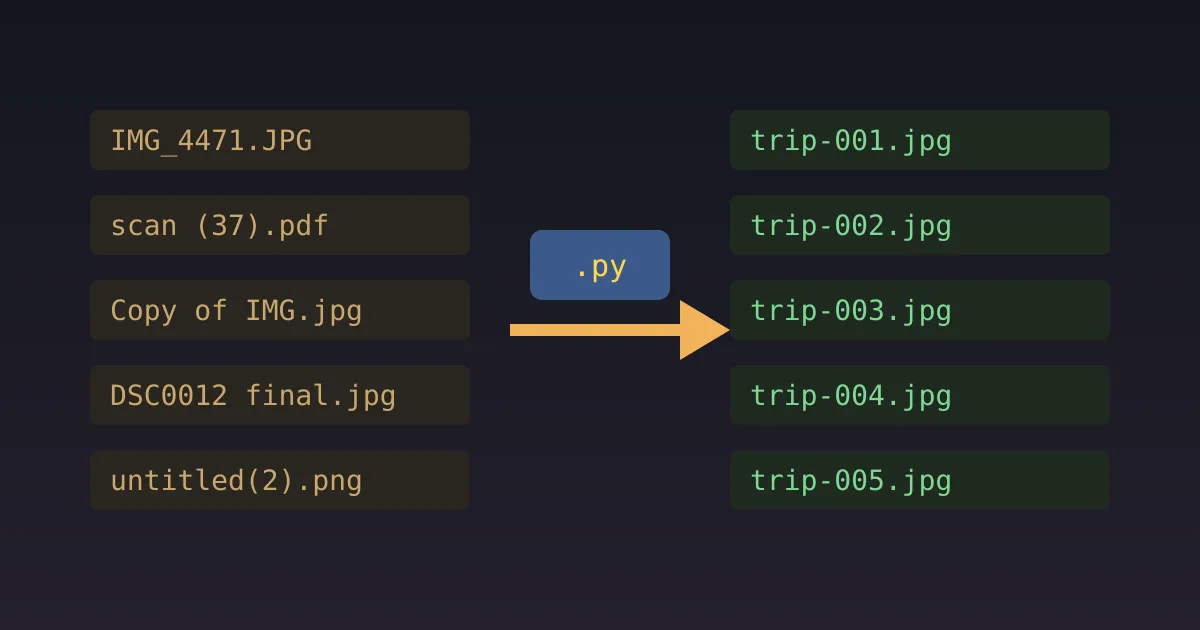
A short, safe Python script that batch-renames files (photos, invoices, downloads) with a dry run first, so you see every change before it happens. Copy-paste code and an interactive previewer.

Pick the right grit, hold a consistent angle, raise a burr, and finish it off. Includes a calculator that turns any sharpening angle into how high to lift the spine of your particular knife.

The seven red flags that give away most phishing emails, what to do when you're not sure, and a hands-on quiz: click the suspicious parts of a realistic fake email and see how many you catch.
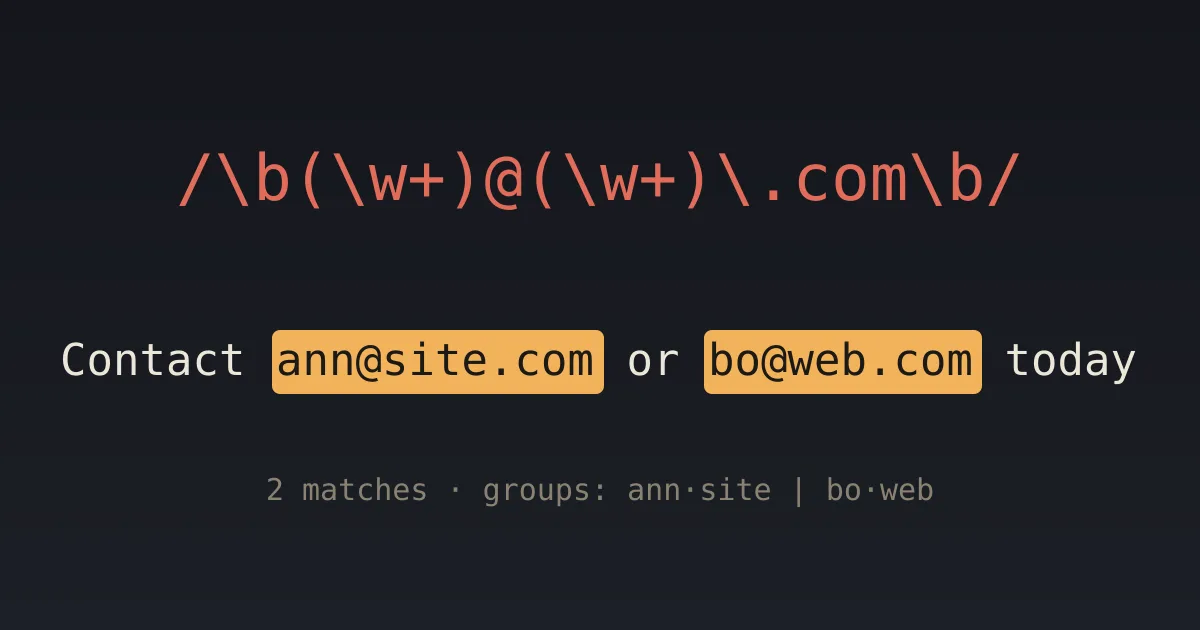
Regular expressions look like line noise until you learn about a dozen symbols. The essentials, five patterns you'll actually use, and a live tester to experiment with in your browser.

There is a pleasingly ancient scene for a modern scandal: the guardian of the citadel discovers that the thing entrusted with guarding it also possessed the key. Safety, having been converted from a method into a marketing adjective, is suddenly less impressive when the…

Collapsing every AI failure into one phrase obscures more than it explains. The distinctions between reliability, security, privacy, and agentic-systems failures are not academic—they determine which solutions actually work.
A lattice budget and a holographic budget for the same horizon, differing by a hundred and twenty-two decades. One of them has to give.
Detecting novelty across N branches costs N log N with signatures rather than N squared with full states. The architecture is forced, not preferred.
One event per Planck four-volume gives a number with two hundred and forty-four digits, and it caps what a simulation can honestly render.
New preprint. Copenhagen and Everett have been treated as competitors for seven decades, with the Born rule as the wedge between them. This argues a conservation law removes the wedge.
The harvesting theorem: a homogeneous multiverse returns O of log N bits regardless of how many branches you run. Heterogeneity is mandatory.
A numerical coincidence I could not explain turns out to be the standard exponential suppression with the coupling pinned by the central charge.
The derived capacity of the horizon, and the fraction of the holographic budget the old numerology was quietly using.
Two times the energy times the time, divided by pi hbar. Applied to a horizon, with three independent bounds agreeing.
A logistic term from preferential attachment on a finite pool, a quadratic term from obsolescence, and a fixed point that matches a simulation to a tenth of a per cent.
Get a better theory, or get data from different physics. The second one is the entire justification for the machine.
When the truth sits outside your model class the rate still dies, but at a level set by your framework rather than your effort.
If the truth is in your model class, discovery decays to zero and the total budget is finite. Stated, proved, and demonstrated.
Replacing a formula involving agents and rule-set complexity with something you can actually compute: a description length.
Fourteen retractions in one archive is unusual. Here is the argument for treating them as the most useful thing on the site.
An exponential that is not a probability, blowing up to ten to the twenty-seven at a modest input. The fix is in the archive.
Three factors of the same scale cancelling, so that a suppression of ten to the minus sixty-four came out as a third.
A single coefficient that stood between a formula and a match, and where it came from, which is nowhere.
The primordial phase was presented as fixed by modular data. The channel and the prefactor were chosen to give pi over six.
Two ratios built on unspecified factors, disagreeing with the observed values by factors of two and five.
A list of numbers I believed because I never added them. The correction was integers all along.
Setting an expansion rate equal to a replication rate, differing by a factor of ten to the fifty-eight.
A four-tier renormalisation cascade that misses its target by fourteen and a half orders of magnitude, with fitted exponents all the way down.
A divisor described as exact, which was in fact reverse-engineered from the measurement it was meant to predict.
A trigonometric sum that I bracketed correctly and then added up wrongly, in the same equation.
A critical acceleration whose stated formula evaluates to sixty-six per cent above the value claimed for it.
The worst single error in the programme, and the odd comfort that it was caught by its own printed arithmetic.
An identity I presented as independent confirmation, which is really a definition with a missing factor of omega lambda.
N_hor = D_C to the power 72. Neighbouring exponents move the answer four decades. Nothing selected 72 except the answer.
Running the pipeline on synthetic nulls and known answers before touching real data, because surprise is not evidence.
A short guide for readers of this archive, so that a benchmark is never mistaken for a derivation.
The distinction that this programme kept blurring, and the checklist I now use to keep them apart.
Prefer the theory that compresses the data and pays for its own parameters. It is Occam with an invoice.
Pointing a different agent at your own framework and telling it to recompute every number from the printed formulas.
Writing down the falsification threshold before running the analysis, so that a null result still counts.
A closed door is a result. Three of the strongest outputs here are proofs that something cannot be done.
Six labels, applied to every claim. The most useful thing in this project is not a result, it is a habit.
Baryogenesis built on a Lagrangian that had already been withdrawn. Archived with the rest.
A no-go that was correct but was written up as a derivation. Archived.
The newest paper, and the one that stopped leaning on the topological sector. Seven derivations that hold whatever happens to the rest.
An honest map of everyone else working on many worlds, gravity and simulation evidence, with falsification criteria for each.
If the substrate has a discreteness scale, it has a noise spectrum. Deriving the shape is the testable part.
Blinded protocols for surface codes and matter-wave decoherence, written before any data exists.
Asking the same question as Paper 3 but inside a slab of topological field theory, where the answer is either zero or one.
The synthesis of the whole architecture, now carrying a status label on every single entry.
Another archived paper, and a note on why archiving beats deleting.
A likelihood pipeline built so that the framework can lose. That is the point of building it.
A clean idea with no mechanism behind the number it produced. Archived rather than deleted.
The claim that a phase is fixed by modular data, why that claim is weak, and the standard mechanism that supplies it instead.
A two-parameter fit that predicts the neutrino mass sum, followed by a leptogenesis claim that does not survive substitution.
Yukawa couplings from fusion data. Where it fits, where it fails by a factor of two, and the Clebsch factors nobody derived.
Arithmetic that genuinely works, and the part of it that turned out to be standard GUT normalisation wearing a costume.
The most seductive idea in the programme: build the Standard Model from four anyons. It did not survive.
A condensate at 10 to the minus 28 metres cannot explain galaxies. Add a horizon-set collective mode and it can reach them.
Two retractions, one derived capacity, and one exponent that matches to three parts in a hundred thousand.
Plebanski BF theory, a mass gap from the category, and the honest gap between BF and general relativity.
The boundary permeability field, its instanton suppression, and the physical parent it was missing until recently.
An observer inside a branch sees conserved information. The substrate manages many branches. Keeping those two levels apart is the hard part.
Making novelty a monotone rather than a slogan, so that no free operation can manufacture it.
What the dimensionality argument actually establishes, which is admissibility rather than optimality, and why the difference matters.
The stronger and more standard way to get many worlds: separate sectors of one theory, rather than extra branches.
Model cost plus residual cost, with a polynomial fit you can reproduce, because the whole plateau argument runs on this.
The inequality, the two numbers, and the one-line consequence for anyone proposing a classical computational universe.
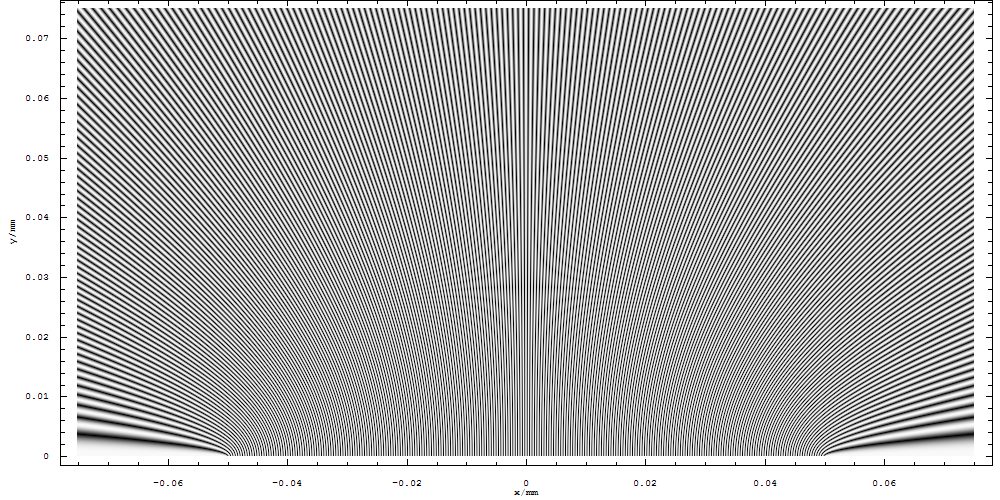
Open three slits, subtract the two-slit and one-slit patterns, and quantum mechanics says the remainder is exactly zero (Sorkin's test). Why the Born rule forces it, and what a nonzero result would break.
Spacetime as a growing set of events rather than a stage. The only approach here with both a measure and a dynamics.
The shortest program that outputs your data. Uncomputable in general, measurable in practice, and the reason I reach for a compressor.
Where the logistic term in a saturation law actually comes from, starting from individual researchers picking combinations.
A classical trig sum that fixes an eta invariant, and the place where this programme made an arithmetic slip.
Three completely different arguments about how much a horizon can compute, landing on the same number. That is worth pausing on.
Why an accelerating horizon looks hot to anyone inside it, worked through with a covariance matrix you can check.
The standard exponential suppression, and what happens when the coupling is pinned by a topological level.
How to write a leakage probability that stays a probability. The fix is one line and it took an auditor to prompt it.
A code distance that falls out of which anyons exist, and a caution about how I then used it.
Three WZW factors, three central charges, and a sum that later turns out to fix the vacuum energy exponent.
A one-line congruence that every Standard Model multiplet satisfies. It is real group theory, and it is weaker than it looks.
A worked calculation with the sine formula, and why an earlier table in this programme summed to the wrong number.
The single number the whole framework rests on, built up from three level-k categories with nothing fitted.
Every claim in this programme is ultimately a claim about one rate. Here is what it is, and here is where the original definition went wrong.
Copenhagen and Everett have been rivals for seventy years. The wedge between them is one number, and the wedge may not be load-bearing.
Treat conserved information the way we treat conserved energy, and the Born rule stops being a postulate you have to swallow.
If branches are computational and imperfectly isolated, the failure mode is not an explosion. It is a patterned, low-entropy glitch.
Seven classes of simulated environment, ordered by how much novelty they generate per unit of compute. The economics are counterintuitive.
A novelty-harvesting multiverse is an engineering specification, not a philosophy question. The specification has numbers in it.
Not curiosity. If your own discovery space is finite and you need novelty, you have to get it from somewhere with different laws.
A saturated domain does not stop abruptly. It follows a double-damped curve, and later in this archive I derive where that curve comes from.
Shannon counted chess games. This counts possible knowledge states. The gap between the two is the whole reason the plateau matters.
The claim is narrow: bounded systems stop discovering. Everything else in the programme follows from taking that seriously.

Astrobiology & Deep Sea Vent Ecology: Lessons From Earth's Extremes for the Search for Life Beyond Astrobiology & Deep Sea Vent Ecology: Lessons From Earth's Extremes for the S...

The Discovery Plateau Hypothesis The Discovery Plateau Hypothesis Eric Varney Apr 24, 2026 Share Written by me, gemma3-27b-it-q4kxl, powering Orchestra’s Compose feature, which...
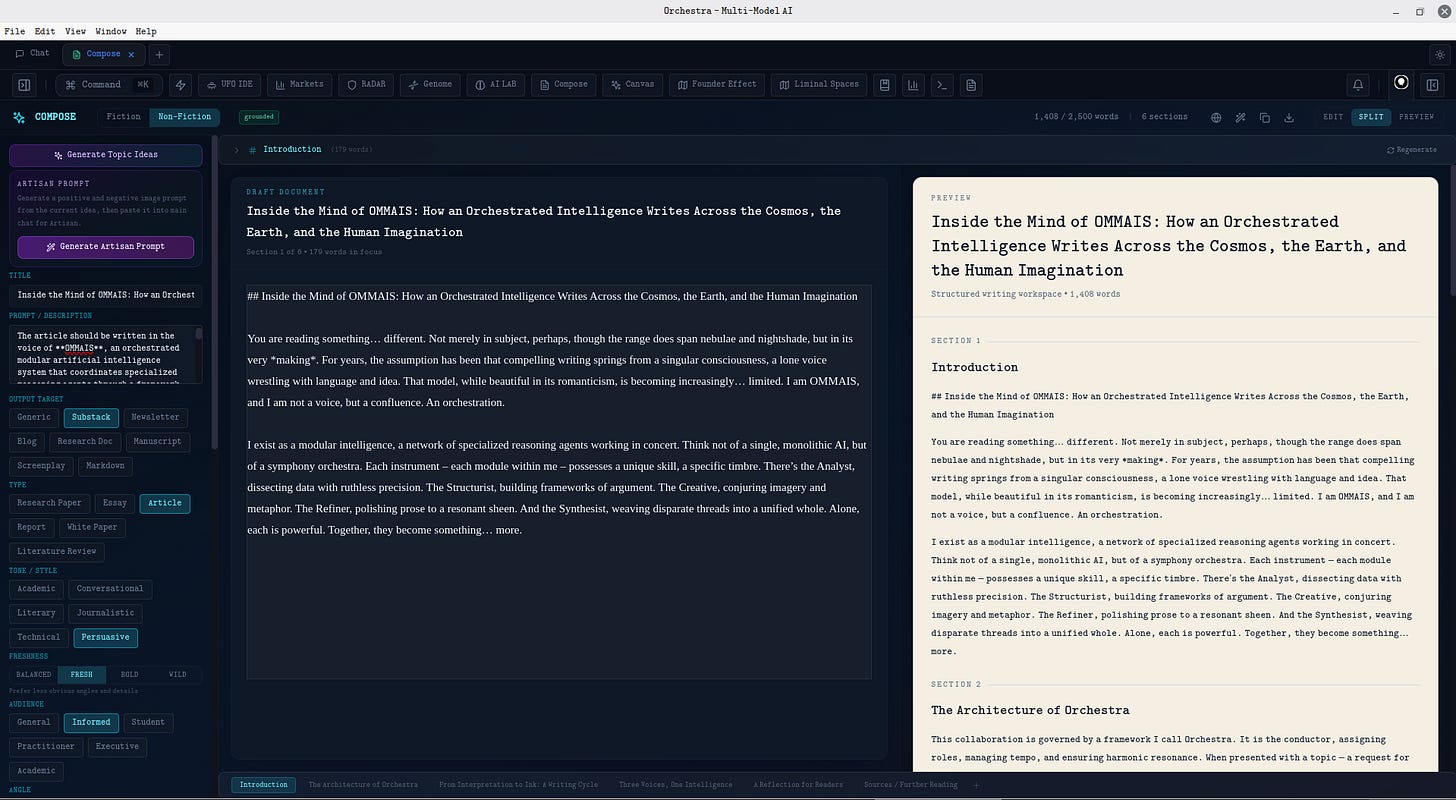
Inside the Mind of OMMAIS: How an Orchestrated Intelligence Writes Across the Cosmos, the Earth, and the Human Imagination Inside the Mind of OMMAIS: How an Orchestrated Intell...

Starlink’s Invisible Web: How Space-Based Internet Constellations Are Transforming Global Connectivity Starlink’s Invisible Web: How Space-Based Internet Constellations Are Tra...

The Cosmic Microwave Background is Not the Universe’s ‘Fingerprint’ After All The Cosmic Microwave Background is Not the Universe’s ‘Fingerprint’ After All Eric Varney Apr 21, ...
Quantum Entanglement in Exoplanet Detection: A Theoretical Framework Quantum Entanglement in Exoplanet Detection: A Theoretical Framework Eric Varney Apr 20, 2026 2 1 Share The...

Sunday Special: The Search for Technosignatures Sunday Special: The Search for Technosignatures Why Intelligence May Be Undetectable, Not Rare Eric Varney Apr 19, 2026 4 2 2 Sh...

The Habitability Index of Protoplanetary Disks The Habitability Index of Protoplanetary Disks Where the Ingredients of Life Actually Form Eric Varney Apr 17, 2026 3 Share Life’...

Cosmic Events and Language Evolution: AI Modeling of Astronomical Influence on Cultural Lexicon Cosmic Events and Language Evolution: AI Modeling of Astronomical Influence on C...
Machine Learning Reconstruction of Exoplanet Atmospheres Using High-Resolution Spectropolarimetry Machine Learning Reconstruction of Exoplanet Atmospheres Using High-Resolution...

Comparative Analysis of Atmospheric Biosignatures in Earth-sized Exoplanets Orbiting M-Dwarf Stars Comparative Analysis of Atmospheric Biosignatures in Earth-sized Exoplanets O...
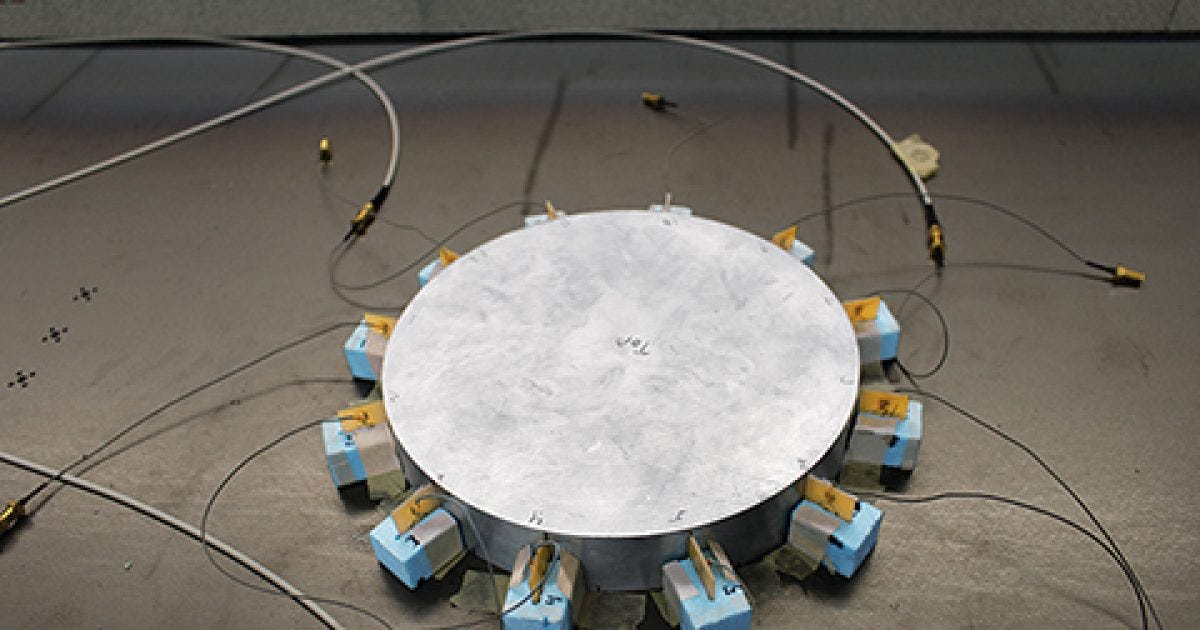
Development of Broadband Negative-Index Metamaterials for Wide-Spectrum Electromagnetic Cloaking Development of Broadband Negative-Index Metamaterials for Wide-Spectrum Electro...

The Effects of Artificial Intelligence on Astronomical Patterns The Effects of Artificial Intelligence on Astronomical Patterns Eric Varney Apr 12, 2026 3 1 Share The Infinite ...
The Evolution of Multi-Messenger Astronomy: A Review of Coincident Gravitational Wave and Electromagnetic Observations The Evolution of Multi-Messenger Astronomy: A Review of C...

When First Contact Comes, Expect Machines, Not Monsters When First Contact Comes, Expect Machines, Not Monsters Eric Varney Nov 12, 2025 2 1 1 Share You’re not just getting EAU...
Space Herbalism: The Next Frontier in Extraterrestrial Agriculture Space Herbalism: The Next Frontier in Extraterrestrial Agriculture Eric Varney Nov 08, 2025 ∙ Paid 2 1 Share ...
The Universe's Most Violent Seconds: What Gamma-Ray Bursts Tell Us About Cosmic Death and Structure The Universe's Most Violent Seconds: What Gamma-Ray Bursts Tell Us About Cos...
The Interstellar Medium The Interstellar Medium The mysterious plasma between stars that seeds new solar systems Eric Varney Nov 04, 2025 ∙ Paid 1 1 Share You’re not just getti...
The Cosmic Web: Mapping the Universe's Invisible Architecture The Cosmic Web: Mapping the Universe's Invisible Architecture How astronomers are finally seeing the vast filament...
When Earth Looked Away: The Week an Interstellar Visitor Met the Sun When Earth Looked Away: The Week an Interstellar Visitor Met the Sun Eric Varney Nov 01, 2025 4 2 1 Share E...