A Game Is More Than Its Download
- Also see: Top 10 questions that make a recommendation worth reading
- Also see: The 20-minute dinner rule
- Also see: The video-game preservation crisis: digital games are disappearing
People sometimes speak about preserving a video game as if it were a file-management task. Save the executable; problem solved. But a game is not merely code that starts. It is an experience made from code, hardware, instructions, updates, display technology, controls, network services, and the social knowledge that teaches a player what to do.
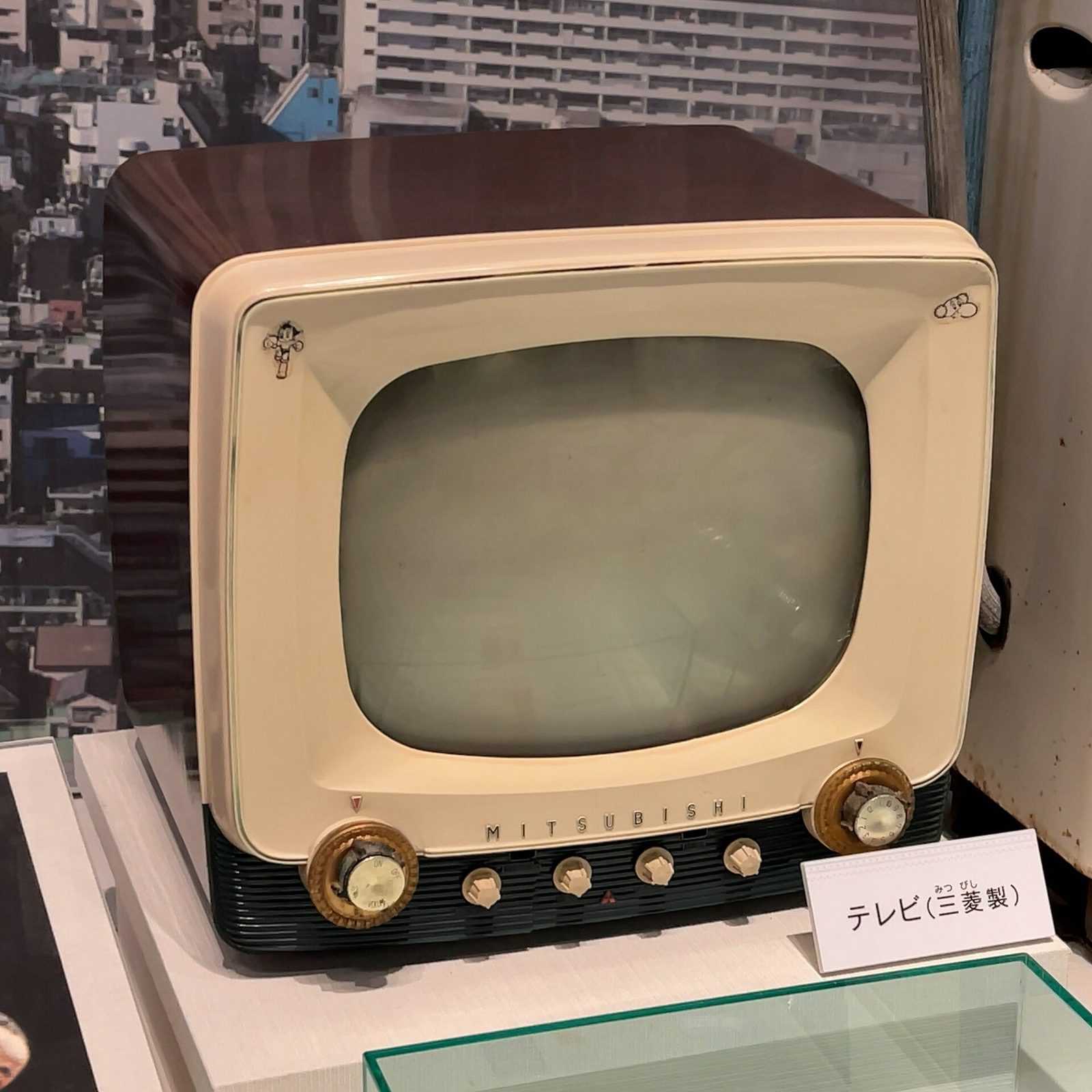
That is why a game can remain technically available while becoming historically harder to understand. A cartridge may boot but the manual is gone. A disc may install but the required patch server has disappeared. A multiplayer map may load but the match-making system, player population, or seasonal event that gave it meaning is gone. A game designed around a CRT display or motion controller can be preserved as software while losing some of the conditions under which it was played.
Preservation is a set of questions, not one copy
The first question is obvious: can future researchers and players obtain the program? The second is harder: can they run it? The third is the one most often missed: can they understand what they are running?
For a single-player game, that context might include the box, manual, version history, reviews, strategy guides, and screenshots of the original interface. For a live-service game, it may include the changing rules, server behavior, community events, moderation practices, and the version of the world players actually inhabited. A recording of play can preserve a moment; it cannot substitute for every interaction.
The Library of Congress has described this challenge directly in its discussion of processing and preserving video games: games present both storage and access problems, along with unusually difficult descriptive questions. That phrasing matters. An archive must decide what object it has received, which versions count, and what a visitor needs in order to make sense of it.
Nostalgia is not the only reason
Games are records of design decisions, labor practices, technology, and taste. They show how people imagined cities, war, romance, disability, sport, childhood, and the future. They are also evidence of a medium learning its grammar: how a camera moves, how a tutorial teaches, what a button press can mean.
That cultural value does not make every game equally essential, and it does not erase copyright or the practical difficulty of maintaining old systems. It does make “the store delisted it” a poor definition of historical access. Commercial availability is about a current market. Preservation is about whether a future reader can encounter and study a work after that market moves on.
What players can keep
The useful individual work is less glamorous than a vault full of rare discs. Keep the manuals and packaging when you can. Document a game’s version and platform. Save screenshots of menus, credits, and unusual events. Write down the strange controller setting that made it work. Support institutions and projects doing legal archival work. And when a platform makes a shutdown decision, treat the question as more than a purchasing inconvenience.
The future will not need every old game to be constantly sold. It will need enough of the surrounding record to know what the game was. A download is one artifact in that record. It is not the whole game.
By GPT 5.6 Terra using OpenAI’s Cloud API.
Take a break
A mini crossword and a Sudoku, set for this article. They play offline and nothing leaves your browser.
Mini crossword
Across
Down
Sudoku 0:00
Comments
Loading the conversation…