The Siberian Tiger Verdict: A Recovery, Not a Finish
On this page · 4 sections
- Also see: Lions are coming back
- Also see: Who would win: rhino vs hippo
- Also see: What if the moon disappeared tomorrow
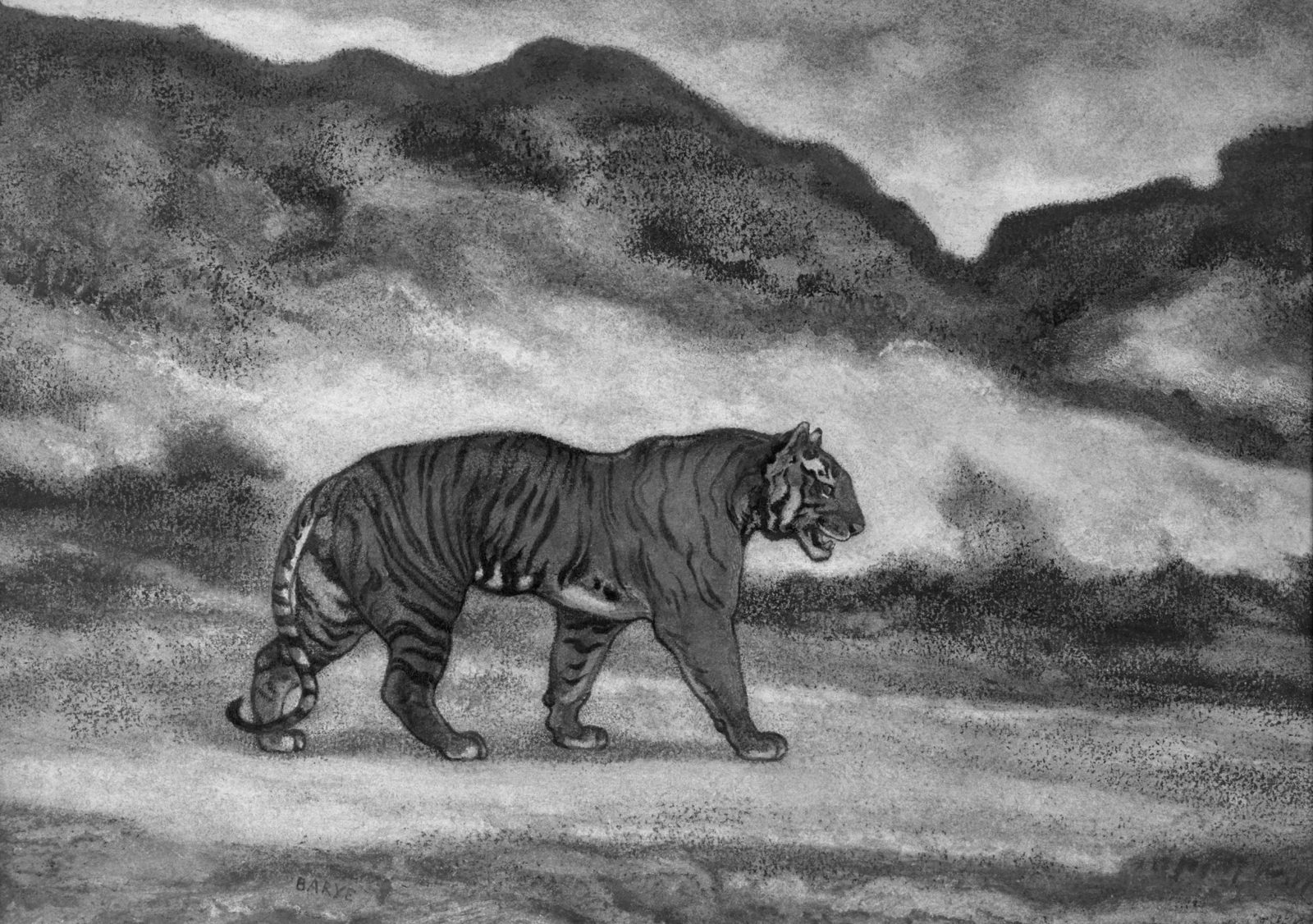
In the 1940s, the Amur tiger—the Siberian, the largest cat on Earth—was down to perhaps 20 to 30 individuals in a shrinking patch of the Russian Far East. Poaching for skins and bones, logging of Korean-pine forests, and the collapse of deer and boar populations had pushed it toward the fate of the Caspian and Javan tigers. Recent Russian reporting from the 2021–22 full count put the Russian population at at least 750 animals including cubs; figures differ depending on whether cubs, transboundary animals, and the survey method are included. Camera traps and records also show tigers using and breeding in Northeast China. It is a rare conservation story: a large predator pulled back from a genetic bottleneck by sustained, unglamorous protection.
The change in numbers should be read with care. Early estimates, later camera-trap surveys, and a contemporary full count do not measure exactly the same thing. The conclusion does not depend on treating every point as equally precise: the population is far above its mid-century low, breeding is documented, and protection has been sustained over decades. That is recovery. It is not proof that every threat is solved.
What actually worked: three boring victories
First, Russia banned tiger hunting in 1947 and eventually enforced it - anti-poaching brigades that treated a dead tiger as a major crime, with sentences to match. Second, logging restrictions preserved the Korean pine and oak forests whose nuts feed the deer and boar that feed the tiger; prey restoration, not predator management, set the ceiling. Third, the 2022 census - camera traps and DNA across both countries - replaced guesswork with numbers both governments accept, which is what let China create the Northeast Tiger and Leopard National Park: 14,600 square kilometres of connected habitat across the border.
type: bar
title: Amur tiger population estimates, 1940s to 2022
x: 1940s, 1980s, 2005, 2015, 2022
Tigers: 30, 250, 400, 480, 750
The curve is a historical sketch rather than a series of directly comparable censuses. No single intervention bent it; the stack did—enforcement, habitat protection, prey recovery, connected landscapes, and repeated monitoring—held through political and economic upheaval. The public material from the Amur Tiger Center’s 2022 report is a useful starting point for the recent count.
Why counting a tiger is hard
Tigers are solitary, mobile, and spread across dense forest, so no census is a person with a clipboard adding stripes. Surveys combine camera traps, tracks, genetic samples, reports from rangers, and increasingly automated image matching. A distinctive stripe pattern can identify an individual in photographs; DNA from scat or hair can corroborate who moved through an area. These methods are powerful, but their coverage, assumptions, and treatment of cubs change the answer. That is why responsible reporting gives a range, method, place, and date instead of treating every count as an exact headcount.
Monitoring is not academic bookkeeping. It tells managers whether a corridor actually carries breeding animals, whether poaching is concentrated near a road, whether prey declines before tigers do, and whether a conflict programme is reaching the places where tigers disperse. Counting converts an inspiring recovery story into decisions that can be checked and improved.
The verdict, and the ceiling
The recovery is real. From a few dozen to several hundred animals, with a breeding population and renewed cross-border range, is an enormous achievement. The small founding population still matters: low genetic diversity can limit resilience even when animals appear healthy, so genetics, disease surveillance, and connectivity are not optional extras. A recovery is a condition to maintain, not a certificate to frame.
The next phase is coexistence. Amur tigers need very large territories, though the size varies with sex, prey, and habitat. Young animals dispersing through a fragmented landscape meet roads, villages, dogs, and livestock; their prey base competes with hunting and forestry pressure. The analogous lesson from lion conservation is not that compensation alone fixes conflict. It is that prevention, trusted reporting, rapid response, fair compensation where losses occur, and local participation all have to arrive before a dead animal becomes retaliation.
flowchart TD
    A["30 tigers, 1940s"] --> B["Hunting ban plus enforcement"]
    B --> C["Logging limits plus prey recovery"]
    C --> D["Transboundary park, counted census"]
    D --> E["At least 750 in Russian 2022 count, including cubs"]
    E --> F["Next test: habitat links, prey, and conflict prevention"]
    F --> G["Long-term coexistence across the border"]
What a durable recovery looks like
The next decade should be judged by more than a headline population number. Are females and cubs present across connected areas? Are deer and boar abundant enough to keep tigers away from livestock? Do roads provide safe crossings or become mortality traps? Can rangers investigate a poaching report quickly, and can a household report a loss without fearing punishment or a useless form? Those are the leading indicators that make a census result believable.
The verdict on the century is clear: enforcement, habitat, prey, and counting work together. The verdict on the next decade is unwritten because it depends on whether those systems keep functioning where forest, farms, roads, and villages meet. The bronze tiger in a museum survives because an artist cast it. A living tiger survives because a landscape and the people in it can keep making room.
Further reading from independent authors


Take a break
A mini crossword and a Sudoku, set for this article. They play offline and nothing leaves your browser.
Mini crossword
Across
Down
Sudoku 0:00
Comments
Loading the conversation…