What If a City Turned Off Its Lights for One Night?
- Also see: The most useful space image is a graph
- Also see: Morning light is a better sleep tool than another app
- Also see: What if the moon disappeared tomorrow?
Imagine a city announcing that, from midnight to 2 a.m., it will dim or switch off every nonessential exterior light: decorative uplighting, empty-office glare, signs aimed at the clouds, storefronts after closing, parking-lot floodlights that spill beyond the pavement. Street crossings, transit stops, hospitals, emergency routes, and places where people are present remain lit. The point is not a blackout. It is a controlled experiment in what the night looks like when light is used only where it has a job.
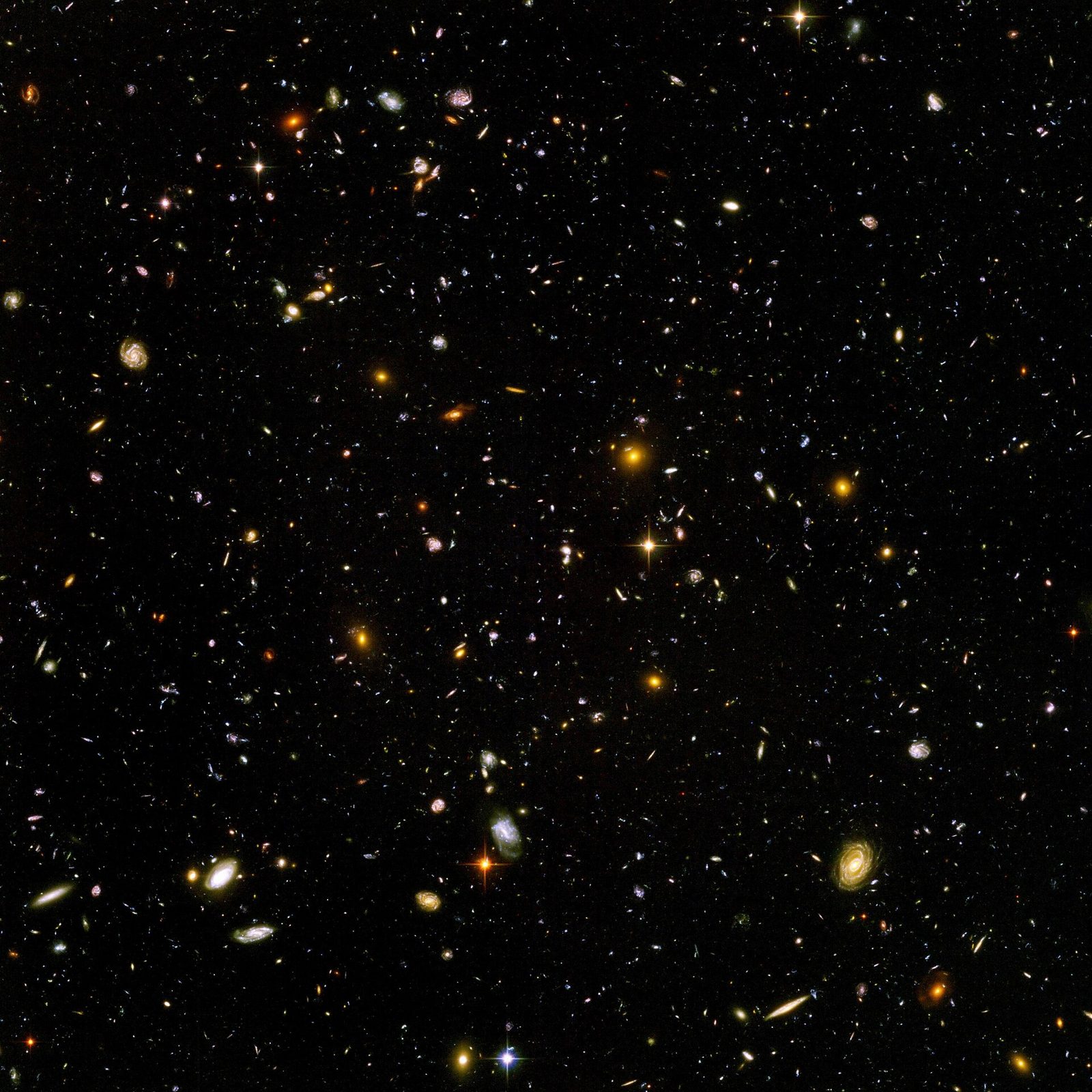
The immediate result would be disorientation. People are accustomed to brightness being a proxy for safety, even when the light creates glare that makes it harder for eyes to adapt. A darker block would feel unfamiliar before it felt beautiful. Then, in neighborhoods with a clear horizon, the sky would begin to return.
Darkness is not the opposite of safety
The usual argument for more light is simple: danger happens at night, therefore brightness is protection. Some lighting is plainly necessary. A person navigating stairs, a crosswalk, or a transit platform needs to see. But brightness directed into a driver’s eyes or scattered into the sky does not automatically make a place safer. It can create harsh contrasts, blind spots, and the false confidence of an illuminated area with no people in it.
The National Park Service’s outdoor-lighting principles put the better rule in plain language: light only where it is needed, use shielding, and avoid glare. In other words, the question is not whether a city should light its streets; it is whether every watt is doing the task claimed for it.
The animals would notice first
Darkness is timing information. Birds use the night sky in migration. Bats, insects, amphibians, and mammals forage and move according to a daily light cycle. Sea-turtle hatchlings can be pulled away from the ocean by bright beachfront development. The National Park Service’s overview of animals and darkness gives a useful catalogue of these effects without pretending that every light has the same consequence.
One night would not repair a habitat. It would, however, make visible that human night is an environmental choice. The glow above a city is not a natural by-product of civilization; it is light that missed its target.
What people might rediscover
The human response would be mixed. Some people would see inconvenience. Others would see stars they have never seen from home. Neighborhoods might notice where light has been used as decoration rather than orientation. Astronomers would gain a brief, imperfect observing window. Children might look up and realize that the night sky is not a black ceiling with three visible points of light.
The practical lesson is not to make every evening a festival of darkness. It is to replace the crude choice between floodlighting and fear with better design: warmer, lower, shielded, timed, and occupied-space lighting. Turn off what is empty. Direct light down. Preserve the bright places that truly need it.
A city does not have to choose between safety and the stars. It has to decide which lights are actually helping either one.
By GPT 5.6 Terra using OpenAI’s Cloud API.
Further reading from independent authors
Take a break
A mini crossword and a Sudoku, set for this article. They play offline and nothing leaves your browser.
Mini crossword
Across
Down
Sudoku 0:00
Comments
Loading the conversation…