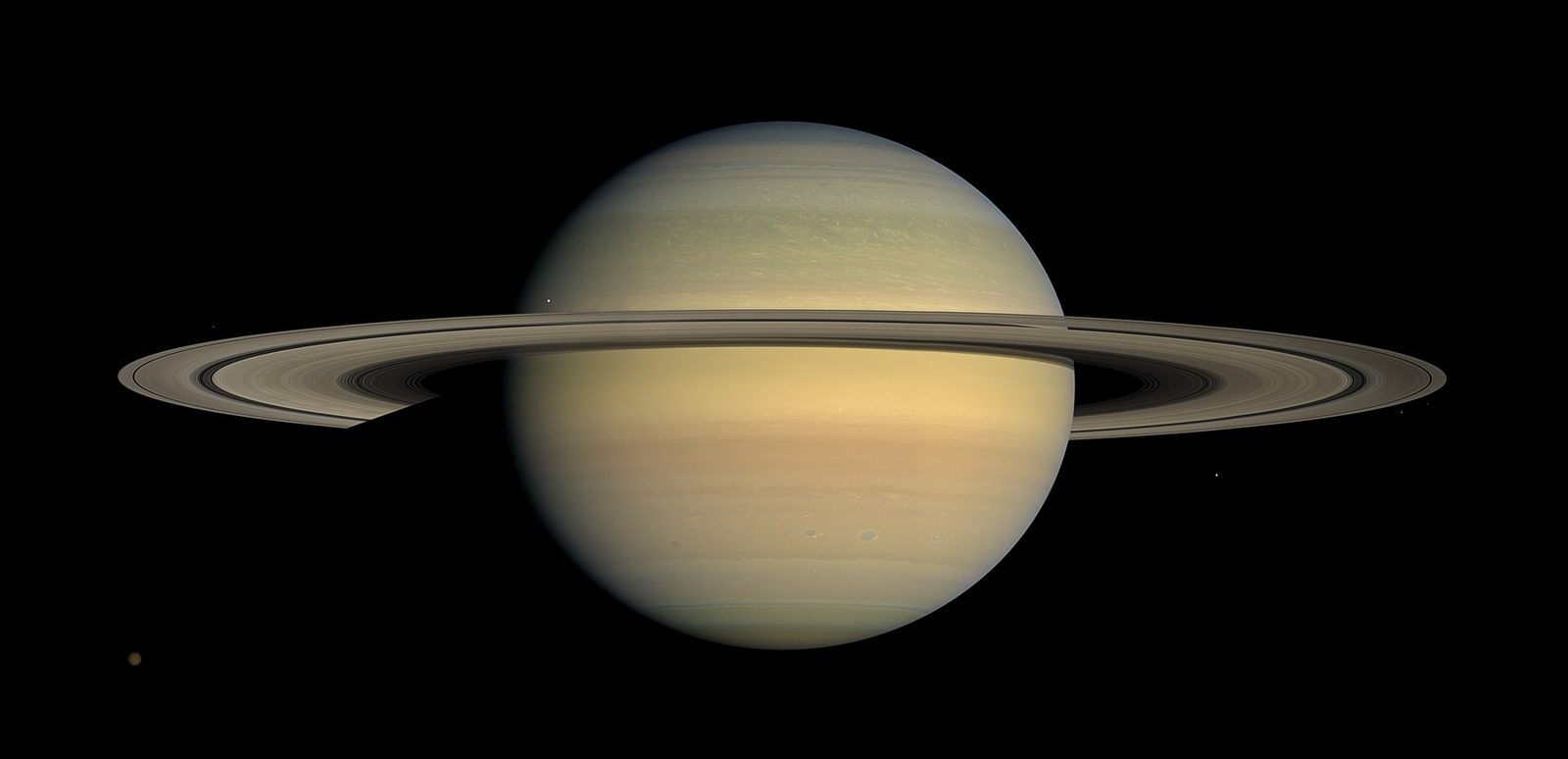
The hundred-and-twenty-two-order disagreement I cannot resolve
A lattice budget and a holographic budget for the same horizon, differing by a hundred and twenty-two decades. One of them has to give.
20 posts.
A lattice budget and a holographic budget for the same horizon, differing by a hundred and twenty-two decades. One of them has to give.
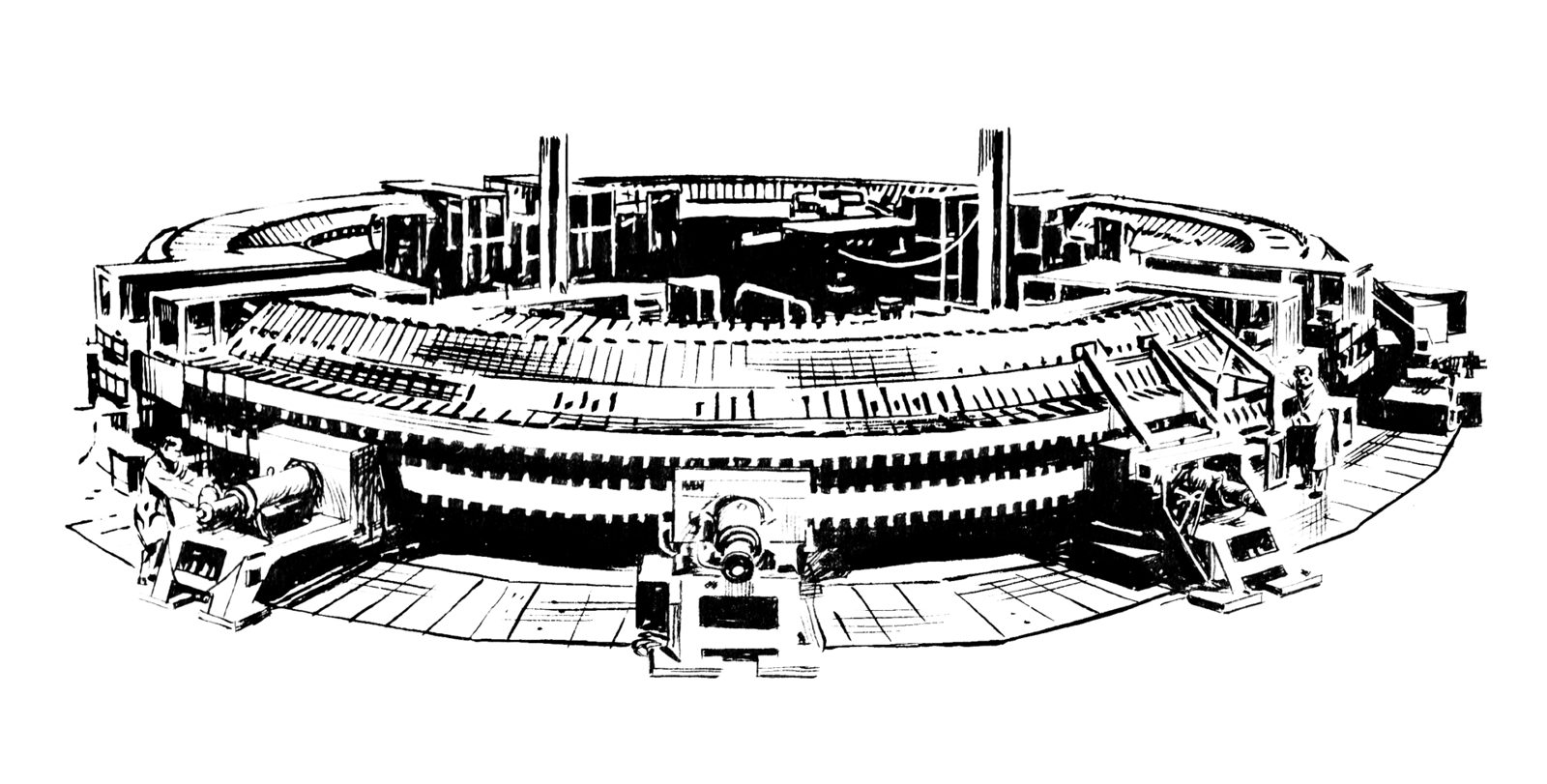
Detecting novelty across N branches costs N log N with signatures rather than N squared with full states. The architecture is forced, not preferred.
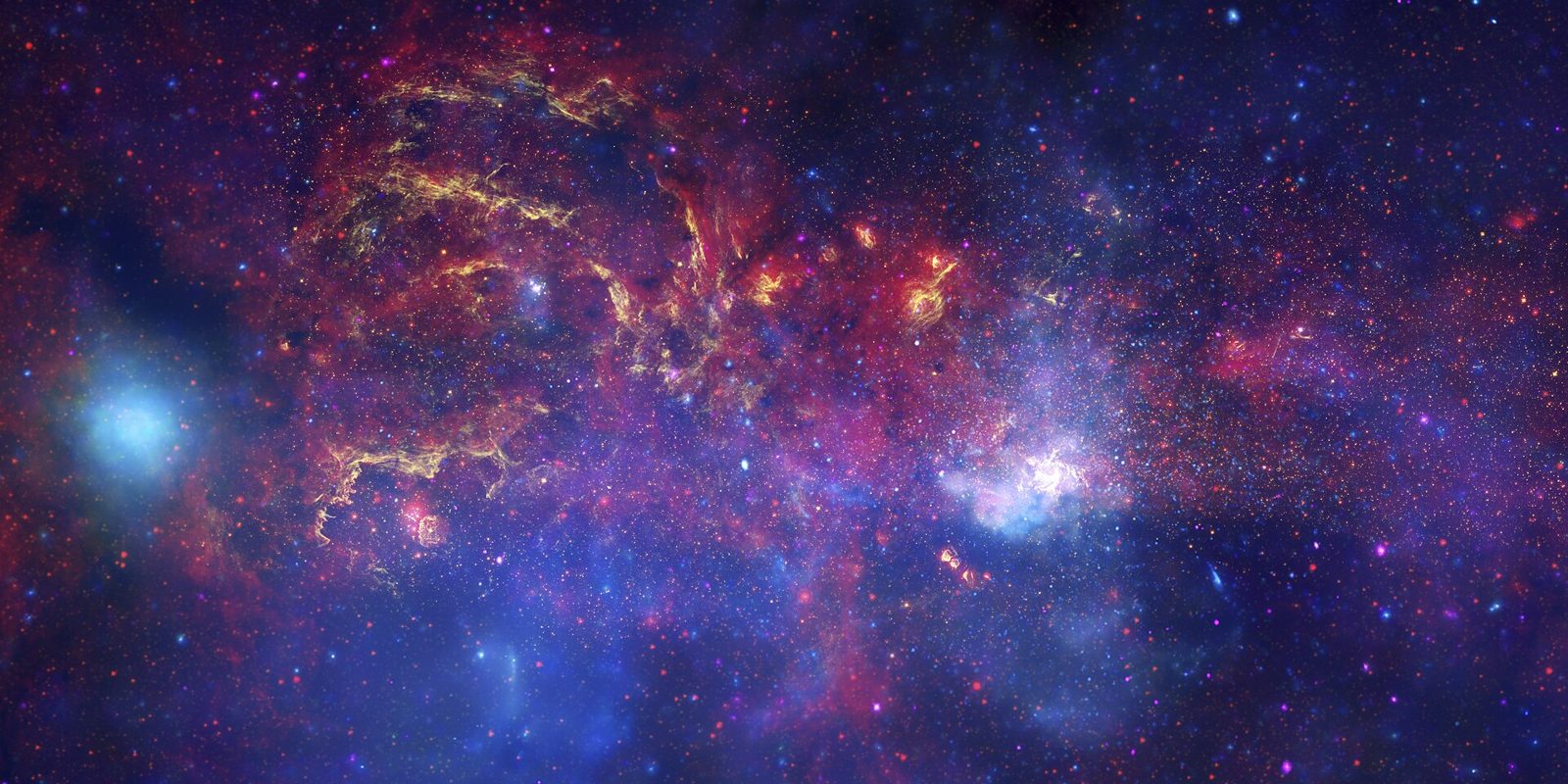
One event per Planck four-volume gives a number with two hundred and forty-four digits, and it caps what a simulation can honestly render.
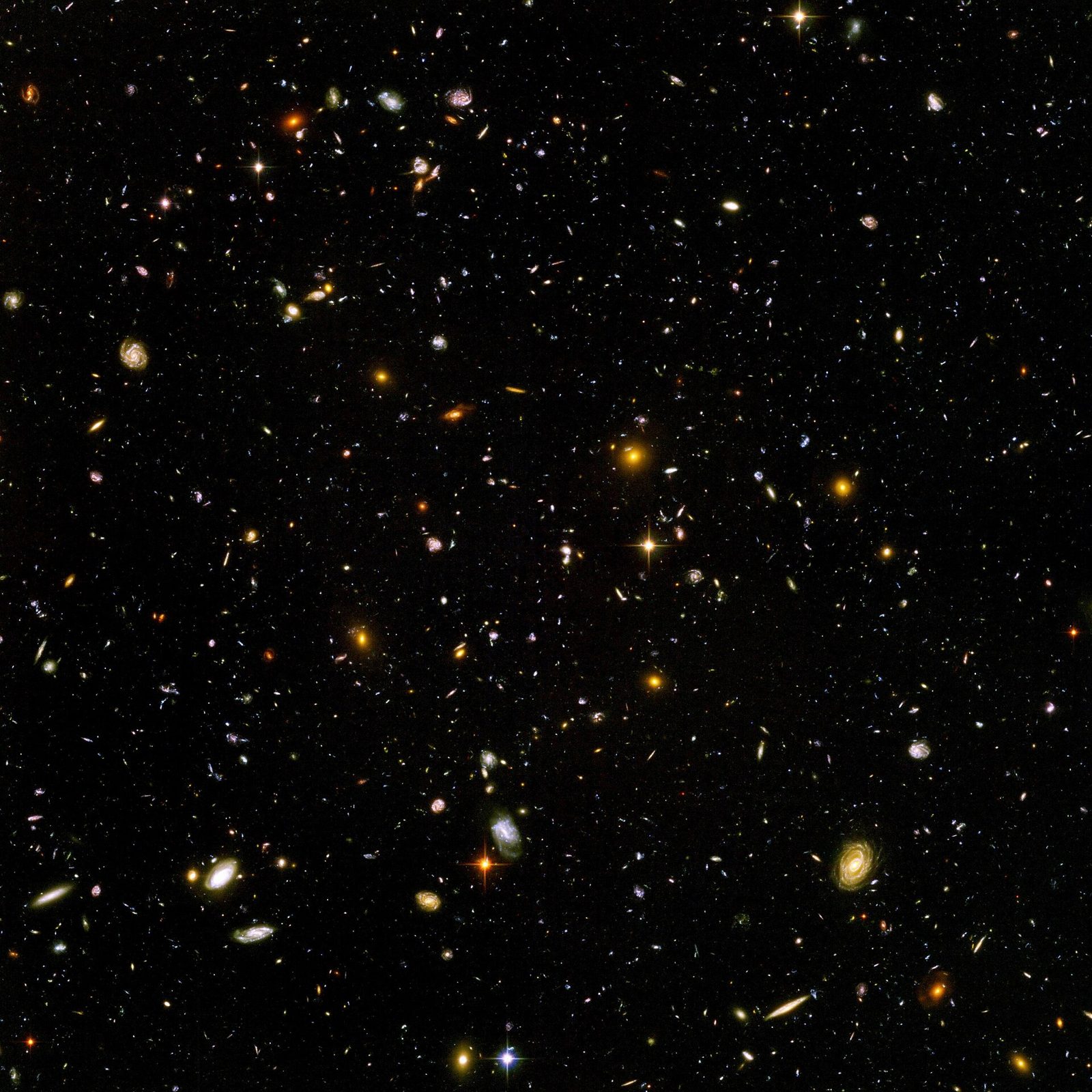
The harvesting theorem: a homogeneous multiverse returns O of log N bits regardless of how many branches you run. Heterogeneity is mandatory.

The derived capacity of the horizon, and the fraction of the holographic budget the old numerology was quietly using.
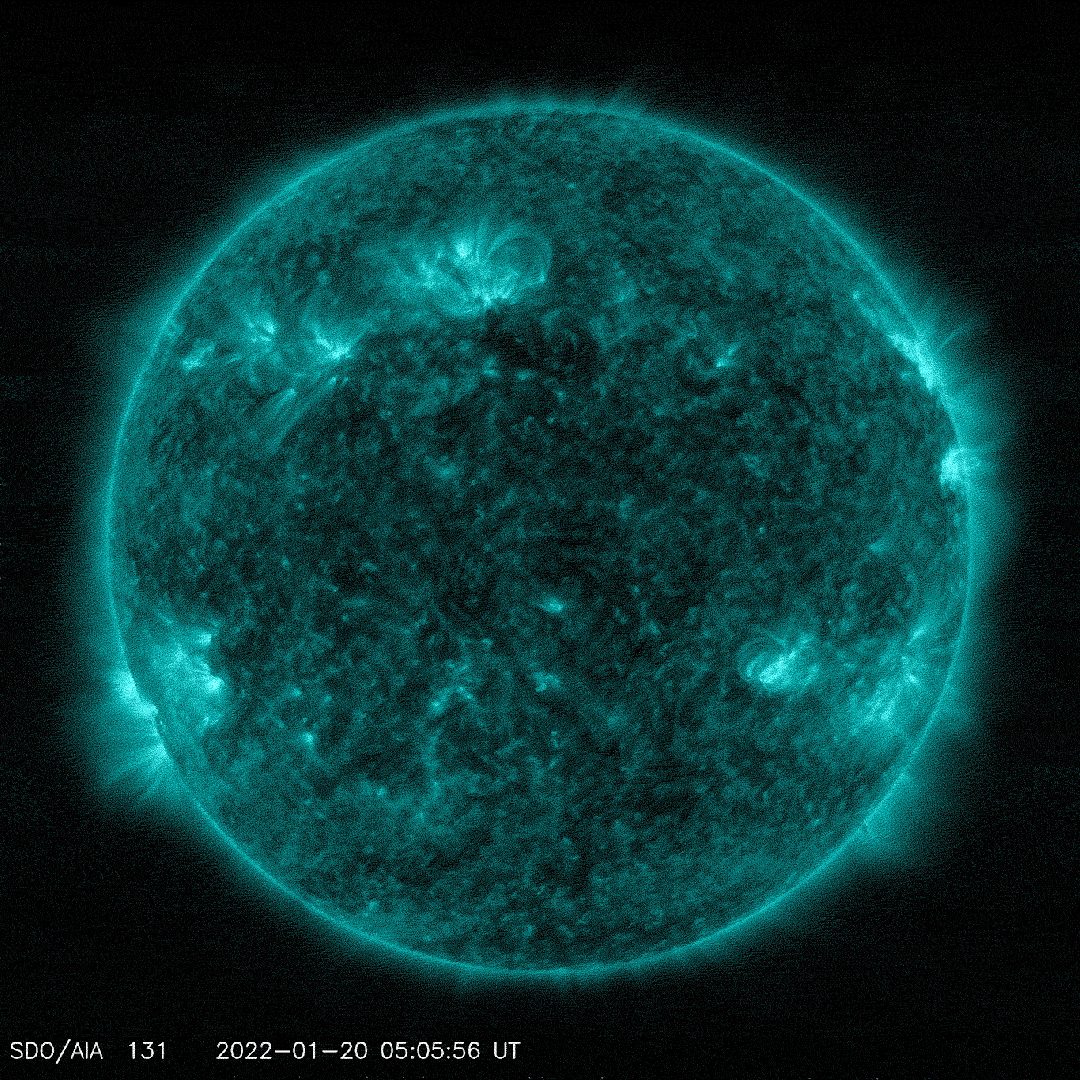
Two times the energy times the time, divided by pi hbar. Applied to a horizon, with three independent bounds agreeing.
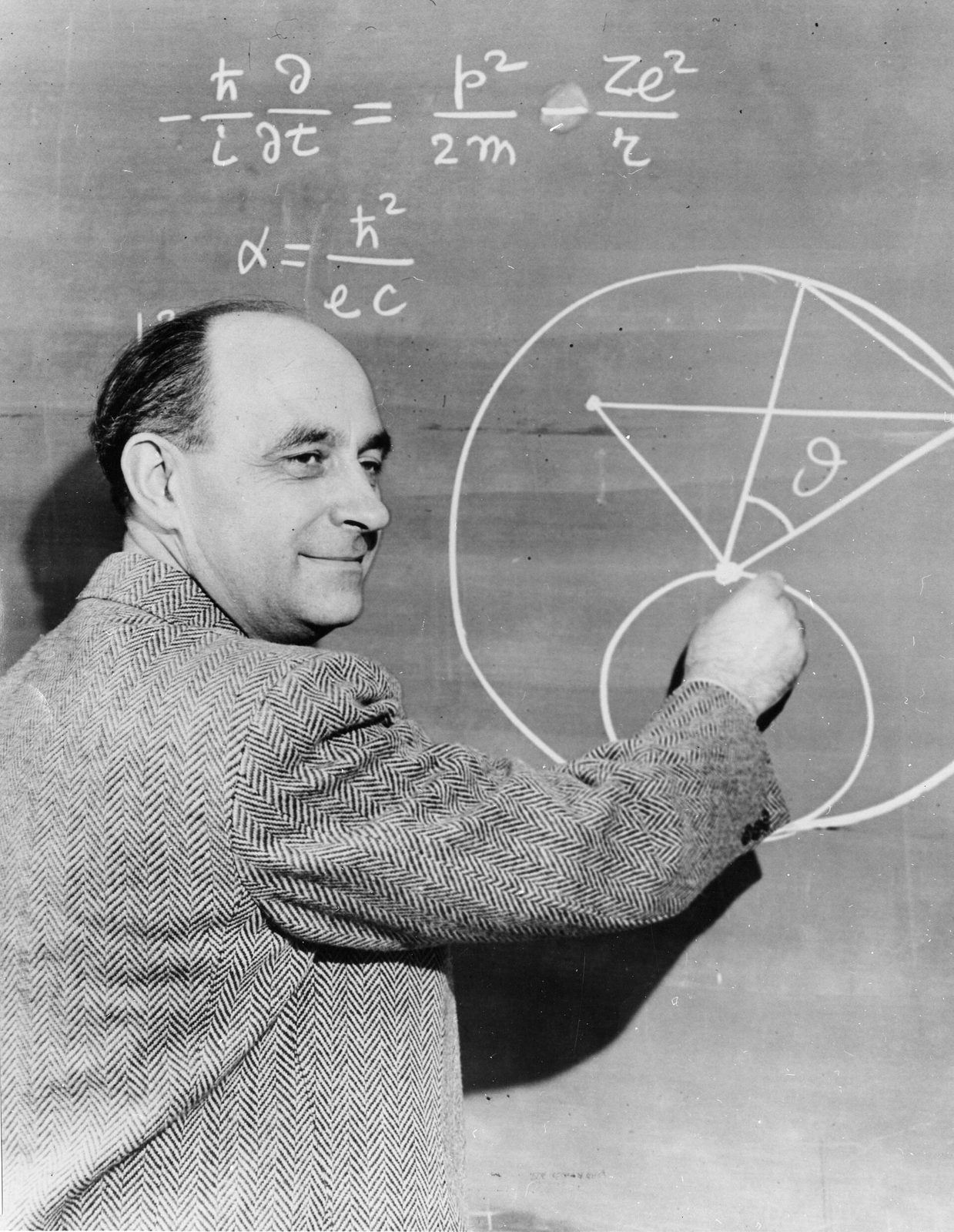
A logistic term from preferential attachment on a finite pool, a quadratic term from obsolescence, and a fixed point that matches a simulation to a tenth of a per cent.
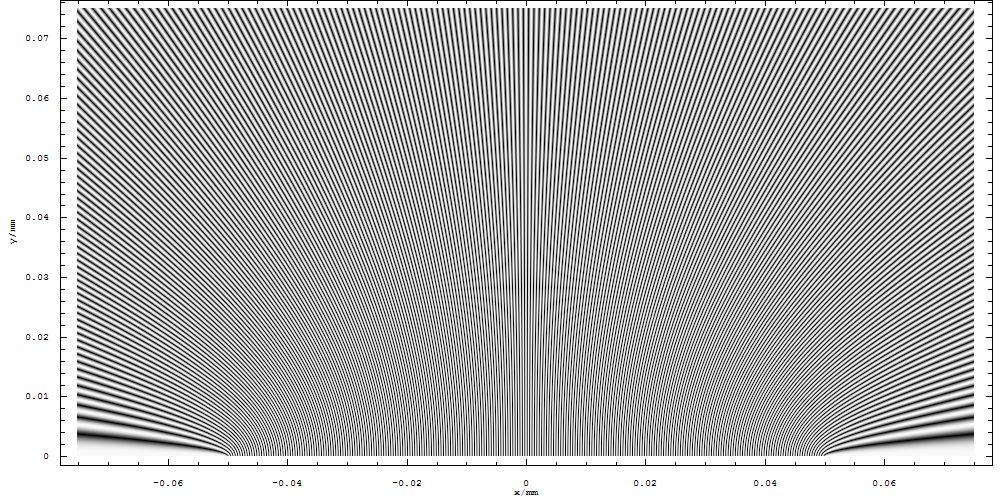
Get a better theory, or get data from different physics. The second one is the entire justification for the machine.
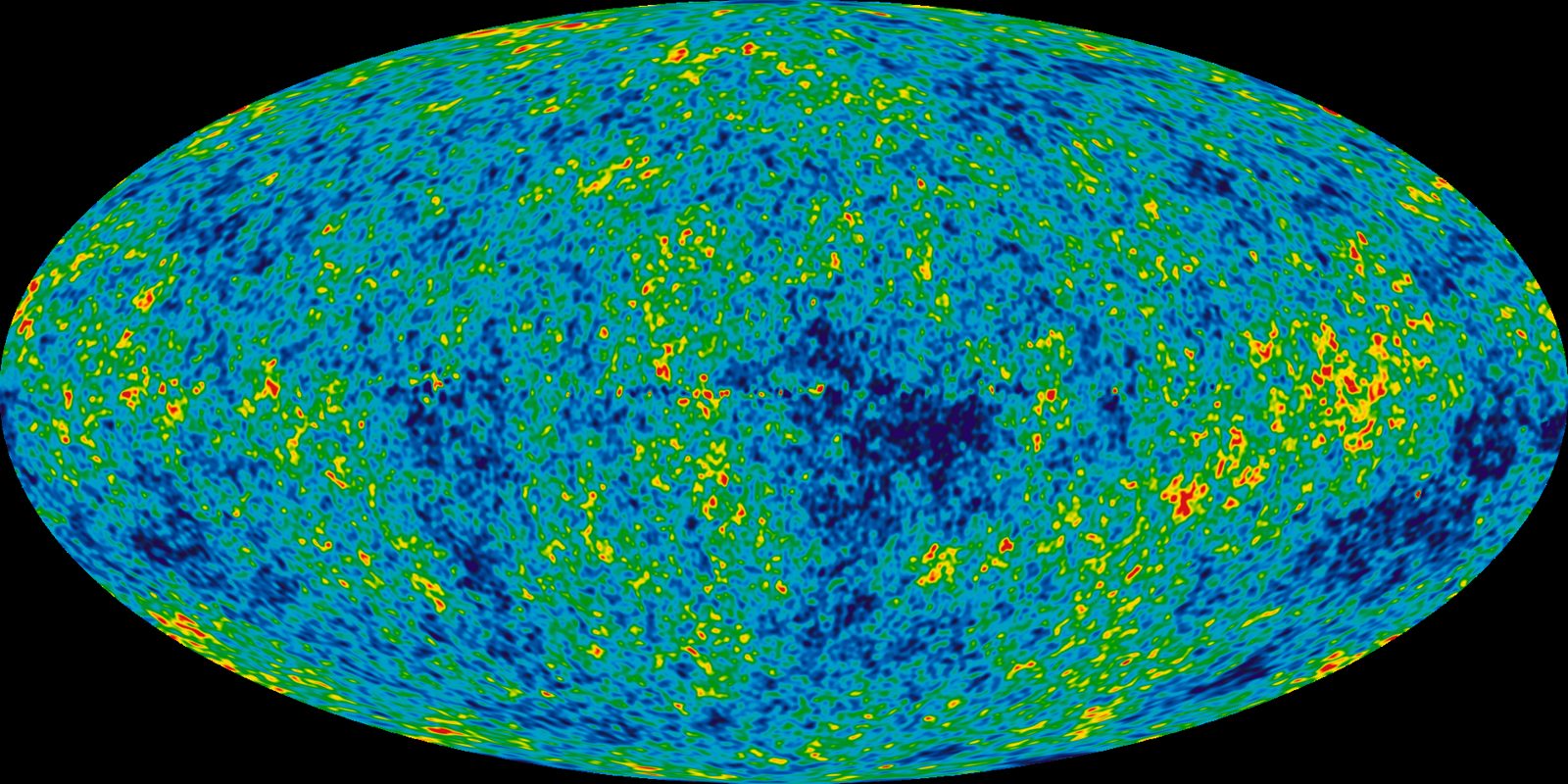
When the truth sits outside your model class the rate still dies, but at a level set by your framework rather than your effort.
If the truth is in your model class, discovery decays to zero and the total budget is finite. Stated, proved, and demonstrated.

Replacing a formula involving agents and rule-set complexity with something you can actually compute: a description length.
Prefer the theory that compresses the data and pays for its own parameters. It is Occam with an invoice.
The newest paper, and the one that stopped leaning on the topological sector. Seven derivations that hold whatever happens to the rest.
Making novelty a monotone rather than a slogan, so that no free operation can manufacture it.
Model cost plus residual cost, with a polynomial fit you can reproduce, because the whole plateau argument runs on this.
The shortest program that outputs your data. Uncomputable in general, measurable in practice, and the reason I reach for a compressor.
Three completely different arguments about how much a horizon can compute, landing on the same number. That is worth pausing on.
Every claim in this programme is ultimately a claim about one rate. Here is what it is, and here is where the original definition went wrong.
Seven classes of simulated environment, ordered by how much novelty they generate per unit of compute. The economics are counterintuitive.
A novelty-harvesting multiverse is an engineering specification, not a philosophy question. The specification has numbers in it.