Top 10 Productivity Myths, Ranked by How Much Time They Actually Waste
On this page · 11 sections
- Also see: The Sunday reset
- Also see: The space opera renaissance
- Also see: Top 10 Christmas movies, ranked
Productivity advice loves a good villain and a good hero ritual. Wake at dawn, clear your inbox, hustle harder, optimize everything. But lab data and time-use studies tell a duller story: most beloved doctrines steal hours while feeling virtuous.
We ranked ten myths from least to most wasteful, with the claim, the evidence, the weekly cost, and what to do instead. Spoiler: multitasking wins by a light-year.
10. The perfect morning routine
The claim: A 90-minute stack of meditation, journaling, ice bath, and reading will unlock elite output.
The evidence: Morning routines correlate with success because people with control over their schedules have routines, not because lemon water creates control. Experimental work on ego depletion and implementation intentions shows short, specific triggers beat long chains that collapse on the first bad night.
Cost: ~0.5 hours per week lost to planning and guilt-restarting.
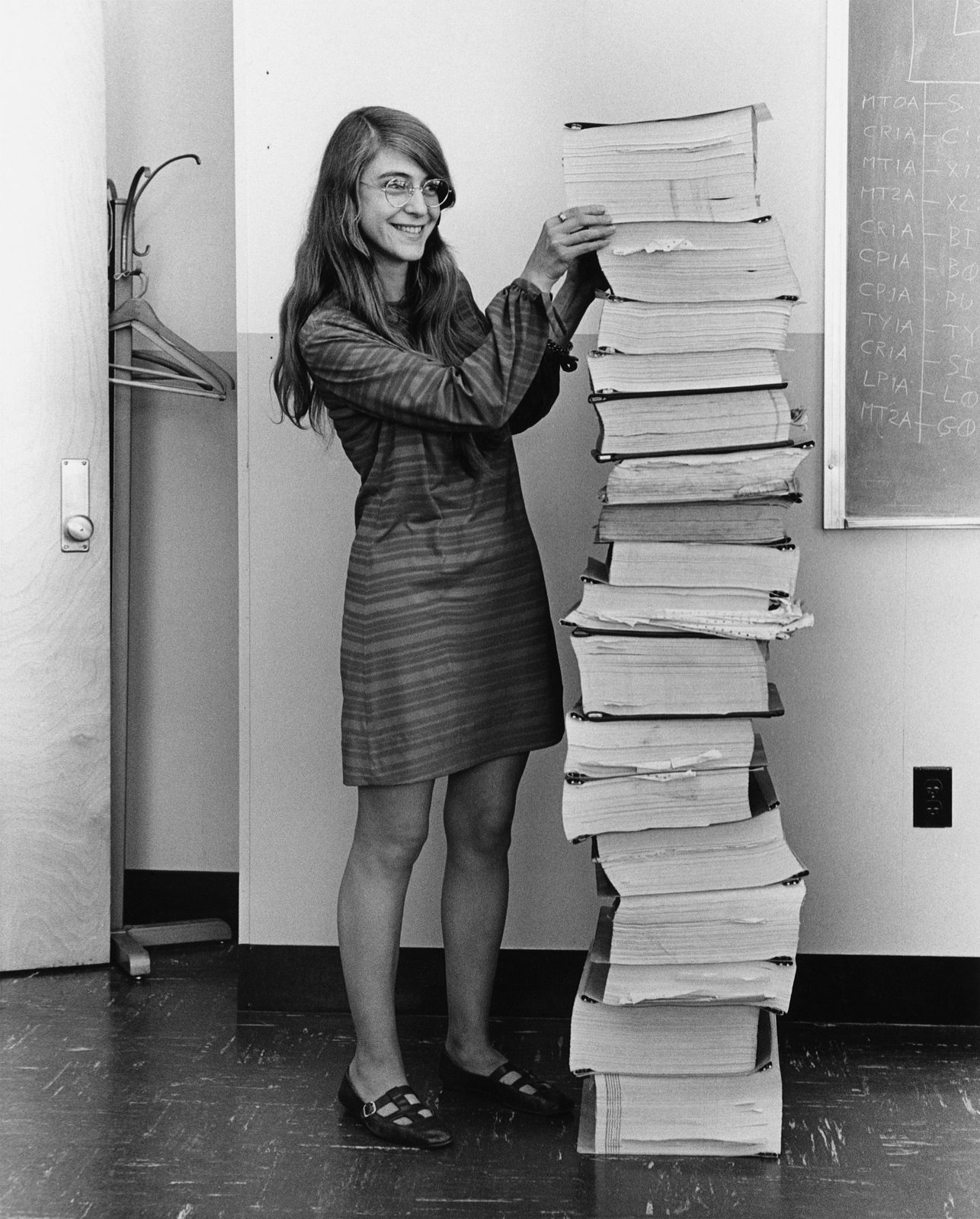
Fix: Pick a 10-minute anchor: make bed, daylight, same start task. Margaret Hamilton did not land Apollo with vibes. She used rigorous checklists.
9. Tool-hopping will save you
The claim: The next app — new notes, new tasks, new second brain — will finally fix you.
The evidence: Context switching between tools carries the same penalty as switching tasks, and migration itself eats weekends. Most tool switches preserve the underlying behavior problem: too many inputs, no weekly review.
Cost: ~1 hour per week averaged across migrations, re-tagging, and learning curves.
Fix: Freeze tools for 90 days. One capture inbox, one calendar, one task list. Review weekly.
8. Color-coded overplanning
The claim: If every minute is time-blocked in pleasing colors, the week will obey.
The evidence: Planning fallacy research shows we underestimate task time by 25 to 40 percent. Over-dense calendars shatter on first interruption, causing re-planning spirals. Plans help when they are sparse and buffered.
Cost: ~2 hours per week re-planning shattered blocks.
Fix: Plan 3 outcomes per day, leave 30 percent white space, time-block only deep work.
flowchart TD
  A["Hear productivity tip"] --> B["What is the claim?"]
  B --> C["What does evidence say?"]
  C --> D["How many hours lost weekly?"]
  D --> E["Is there a better system?"]
  E --> F["Keep habit or drop myth?"]
7. Say yes to everything
The claim: Opportunity comes to the always-available. Hustlers say yes.
The evidence: Every yes is 3 to 5 hours of hidden coordination. Organizational network studies show top collaborators become bottlenecks and burn out fastest. No is a time asset with compound interest.
Cost: ~2.5 hours per week in low-value meetings spawned by casual yeses.
Fix: The polite pause: “Let me check and get back tomorrow.” Default to a helpful no with a redirect.
6. The 5 a.m. club
The claim: Waking at 5 a.m. makes you elite. Winners rise early.
The evidence: Chronotype is largely genetic. Forcing night owls into dawn shifts cuts sleep, and sleep loss impairs prefrontal function — judgment, creativity, working memory — more than any sunrise pages add. Early risers win when they are natural larks sleeping enough, not when everyone is bleary.
Cost: ~2.5 to 3 hours per week lost to groggy mornings and catch-up sleep debt.
Fix: Protect 7 to 8 hours first, then anchor a consistent wake time that fits your life. Consistency beats earliness.
5. Inbox zero as a goal
The claim: Clear your inbox daily and you are on top of work.
The evidence: Email is an infinite queue. Studies of knowledge workers show checking every few minutes fragments attention, and inbox zero rewards rapid triage over important output. The inbox refills in hours, so the victory is always hollow.
Cost: ~3 hours per week over-checking, sorting, and re-reading threads.
Fix: Two processing windows daily, archive aggressively, turn off badges. Your job is rarely “answer email faster.”
4. Open offices spark collaboration
The claim: Knock down walls and ideas will collide.
The evidence: Harvard field work by Bernstein and Turban found face-to-face interaction dropped ~70 percent after moves to open plans, while email and Slack surged. Noise and visual exposure spike distraction and force headphone isolation. Collaboration needs quiet plus bookable collision spaces, not permanent exposure.
Cost: ~3 to 4 hours per week lost to interruptions and recovery in noisy layouts.
Fix: If stuck in one, negotiate library hours, no-meeting blocks, and team norms for maker time.
3. Hustle: 80-hour weeks win
The claim: Outwork everyone. Sleep when you are dead.
The evidence: Stanford work by John Pencavel and others shows output craters past ~50 to 55 hours; 70-hour weeks produce no more than 55-hour weeks over time, just more errors and rework. Apollo engineer Margaret Hamilton’s lesson was process rigor, not heroic all-nighters — her priority-display code saved Apollo 11 precisely because it was tested, not hustled.
Cost: ~4 to 5 hours per week in rework, sluggish decisions, and health debt that compounds.
Fix: Cap at 50, protect one full day off, measure shipped outcomes not hours logged.
2. Endless meetings equal alignment
The claim: More syncs keep everyone aligned.
The evidence: Meeting load has ballooned since 2020, with Microsoft and Atlassian research linking heavy recurring meetings to fragmented focus and self-reported productivity loss. Attention residue means each 30-minute status check costs another 15 to 20 minutes of ramp-back.
Cost: ~5 hours per week in unnecessary attendance plus residue.
Fix: Default 25 minutes, require an agenda and decision owner, decline with a Loom or doc update when you have no input.
1. Multitasking
The claim: Jugglers get more done. Slack while Zooming while coding.
The evidence: This is the most debunked myth in modern neuroscience. MIT’s Earl Miller lab shows the prefrontal cortex serializes tasks — you are not parallel processing, you are rapid switching, paying a switch cost every hop. Only about 2 percent of people show minimal cost, so-called supertaskers. For the rest, errors spike and time-on-task balloons 20 to 40 percent. Sophie Leroy’s attention residue work adds insult: part of your mind stays stuck on task A when you jump to B.
Cost: ~8 hours per week for heavy switchers — an entire workday vaporized into re-reading, re-orienting, and fixing slips.
Fix: Single-task in 50-minute blocks, phone in another room, batch Slack and email. If you must juggle, juggle one active task plus a truly automatic one like walking.
Here is the damage at a glance:
type: bar
title: Estimated hours wasted per week by myth
x: Tool-hopping, Overplanning, Inbox-zero, Meetings, Multitasking
Hours: 1, 2, 3, 5, 8
What to do instead
Notice the replacements rhyme: fewer inputs, bigger blocks, real sleep, systems over motivation. Motivation is weather. Systems are climate. A weekly review, a short daily top three, batched messages, and protected deep work will beat any 5 a.m. ice bath.
Start with number one. Tomorrow, pick one task, close everything else, and set a 50-minute timer. The withdrawal itch is the myth leaving your brain.
Take a break
A mini crossword and a Sudoku, set for this article. They play offline and nothing leaves your browser.
Mini crossword
Across
Down
Sudoku 0:00
Comments
Loading the conversation…